Condo or townhome in Coconut Grove? With prices often hovering in the mid seven figures and price per square foot frequently in the $850 to $1,100 range in central and waterfront spots, the choice has real impact on your budget and lifestyle. You want the right mix of space, amenities, flexibility and long-term value. In this guide, you’ll learn how ownership type, HOA costs, financing, rentals and neighborhood fit shape your decision in the Grove. Let’s dive in.
Coconut Grove market at a glance
Coconut Grove sits at the high end of the Miami market, with recent median sale prices commonly in the $1.6 million to $2.0 million range. Price per square foot often reaches $850 to $1,100 or more in top locations along the bay and in new luxury projects. Movement tends to be slower at higher price tiers, and renovated townhomes in prime pockets can be scarce.
Outlier trades at the ultra-luxury level keep resetting the ceiling and influence nearby comps for trophy properties. A recent wave of major waterfront purchases grabbed headlines and reinforced the Grove’s prestige segment, although those deals mostly affect the very top of the market rather than entry-level condo or townhome pricing. Coverage of high-profile sales provides useful context for market tone and expectations. For example, recent reporting highlighted significant nine-figure waterfront acquisitions that underscored strength at the top end of Miami’s coastal market as covered by the Wall Street Journal.
Condos vs. townhomes: the real differences
Condos in Coconut Grove
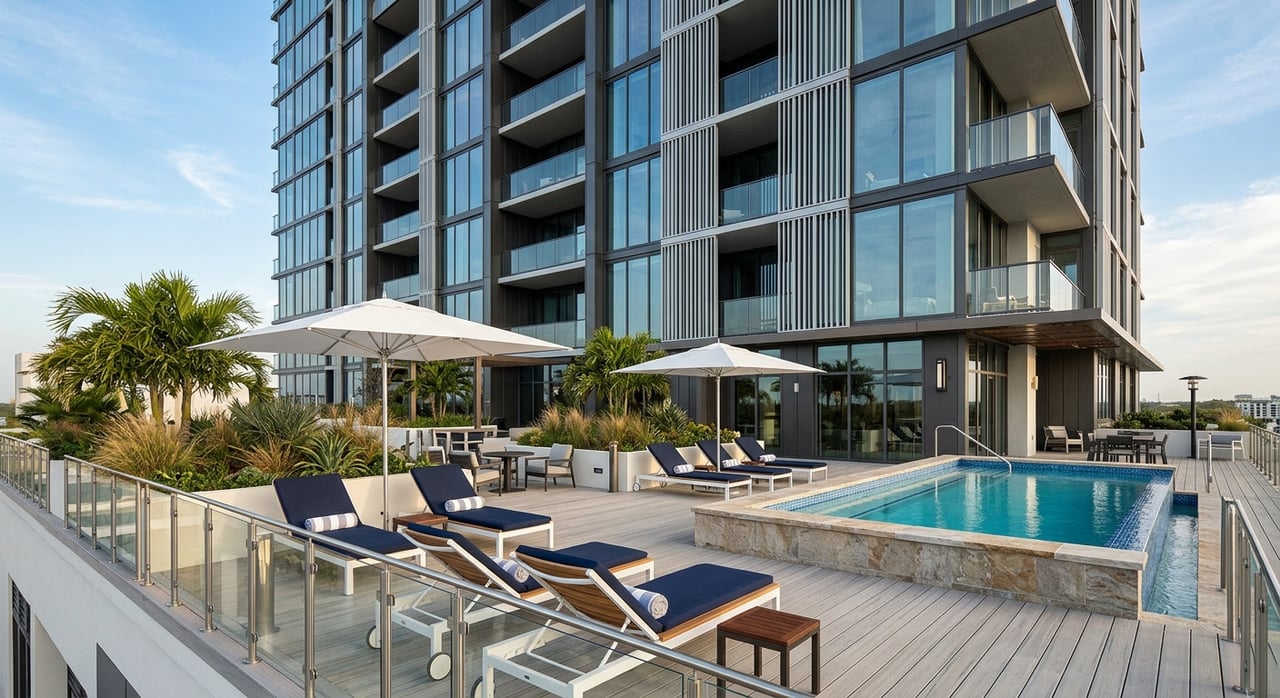
You see a wide spectrum, from full-service waterfront towers with concierge, valet and resort-style amenities to older low-rise buildings near parks and the Village. Condos tend to offer lower day-to-day maintenance and stronger on-site services. Monthly assessments in luxury towers are usually higher because they fund staff, amenities and major building systems.
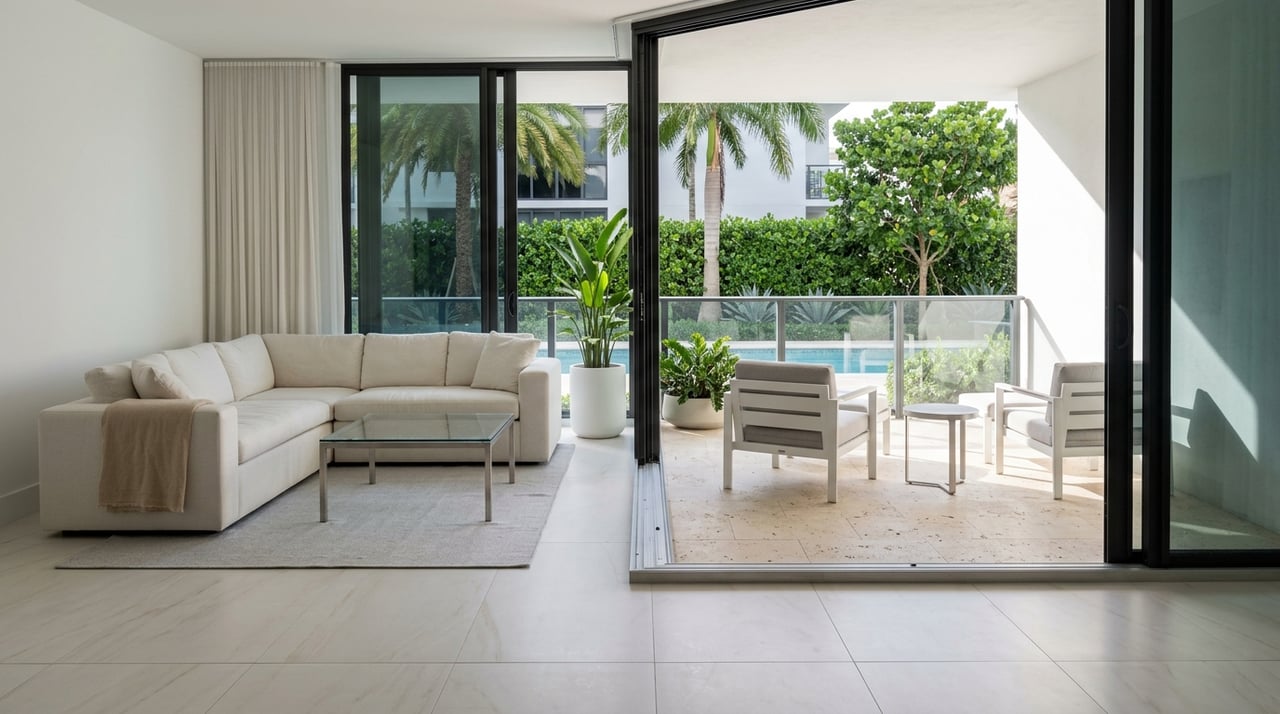
If you value a lock-and-leave lifestyle, on-site amenities and professional management, a condo is often the better fit. Pricing varies by building, line and floor, and new luxury units or waterfront stacks can reach the high seven and eight figures depending on size and exposure.
Townhomes in Coconut Grove
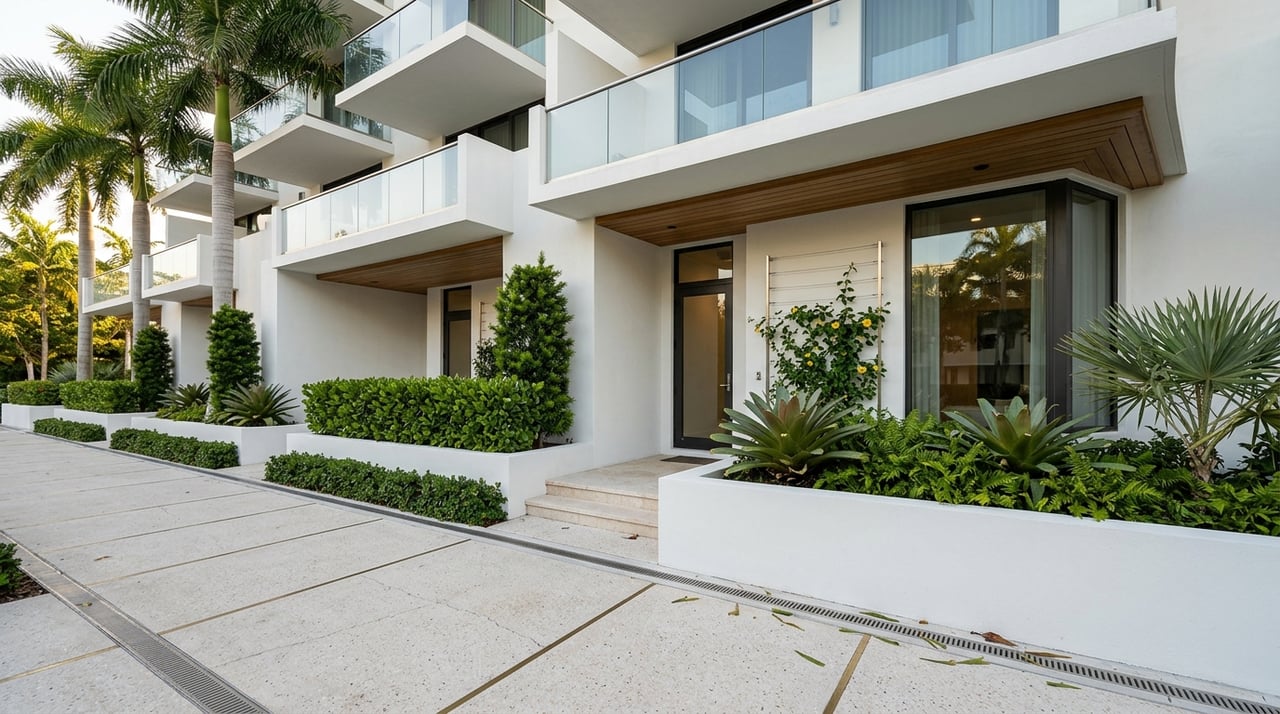
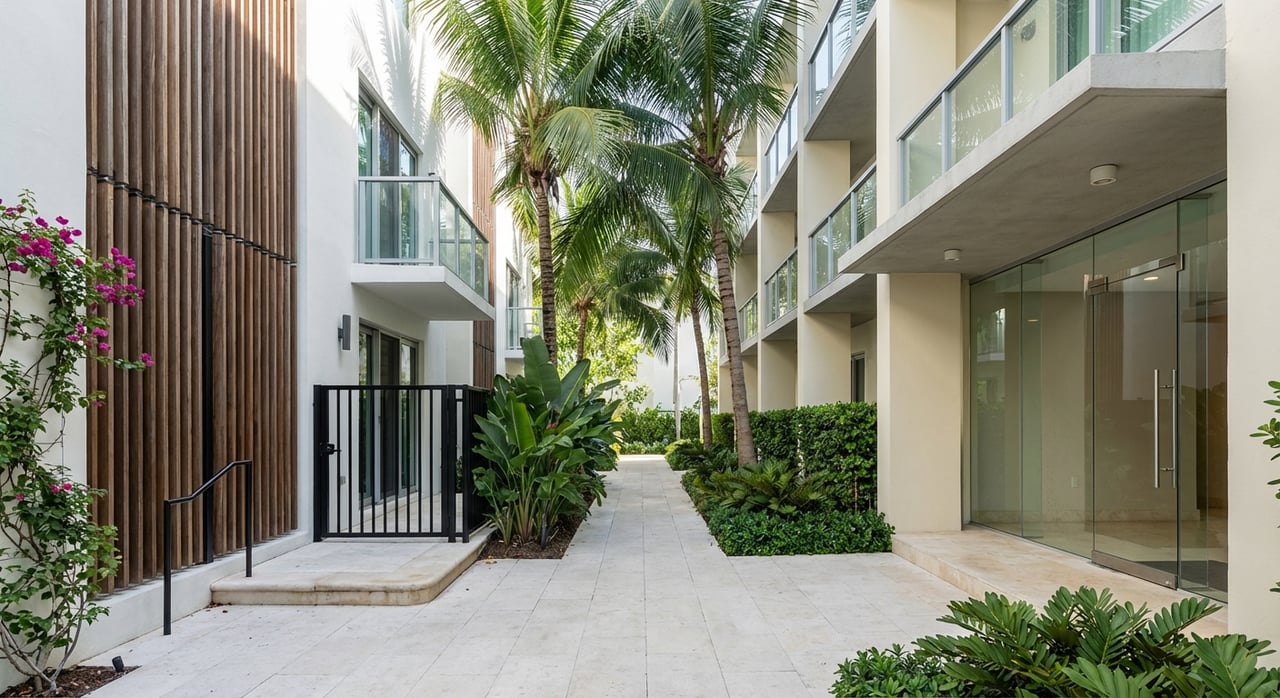
Townhomes range from new multi-story homes with private garages to small gated clusters and older rows near the Village. Many emphasize private entrances, larger interior layouts and outdoor space such as yards or roof decks. Some townhomes are fee simple, while others are legally condominiums, which affects maintenance obligations and financing.
If you want more privacy, a garage and defined outdoor space, a townhome can feel closer to single-family living. HOA dues vary widely depending on whether the community is minimal or service heavy, so always confirm inclusions and responsibilities before you set your budget.
HOA, maintenance and reserves
Florida treats condos and homeowners associations under different statutes, which matters for who maintains what and how reserves are handled. Condo associations generally maintain the structure, roof, elevators and common systems, while owners insure interior finishes and contents. Fee-simple townhome communities can shift more exterior care to the owner, but the declaration controls the split. You can review the condominium statute for baseline rules in Florida Statutes Chapter 718.
What this means for your monthly costs:
- Condos: expect higher assessments in full-service buildings that fund staff, amenities and major systems. Insurance is typically an HO-6 policy for your interior plus the association’s master policy.
- Fee-simple townhomes: dues may be lower if common areas are limited. You may be responsible for the roof, exterior paint and landscaping. Budget for property insurance on the whole structure unless the HOA provides a master policy.
- Condo-townhomes: if the townhome is legally a condominium, financing, insurance and reserve rules often follow condo standards.
Florida also strengthened building-safety requirements and milestone inspections for aging structures. Older buildings facing capital projects sometimes levy special assessments. Before you commit, review reserve studies, inspection reports, and any planned assessments so you are not surprised later. For a plain-English overview of milestone inspections and recent updates, see this summary of new legislation from Building Mavens.
Financing and insurance factors
Project approval can make or break a condo loan. Lenders often apply project-level rules for things like reserves, investor ratios, litigation and short-term rental activity. If a building is considered non-warrantable, expect larger down payments or portfolio lending. Ask your lender early about warrantability before you write an offer.
Fee-simple townhomes may offer a simpler path because lenders underwrite the individual property rather than the entire project. If the townhome is legally a condominium, it will follow condo project rules. In all cases, ask for the association budget, reserve balance, insurance declarations and recent meeting minutes so your lender has what they need.
In a coastal market, wind and flood exposure affect deductibles and master policy costs. Associations sometimes pass hurricane-related expenses to owners through assessments. Confirm master policy limits, wind and flood deductibles, and whether flood insurance is required for your loan.
Rentals and short-term rules
Your rental plan should guide product choice from day one. Many luxury condos in the Grove limit lease terms or prohibit short stays, which protects owner experience but restricts rental income strategies. Townhome policies vary by community and by ownership type.
The City of Miami treats short-term rentals as a lodging use and requires eligibility by zoning, a Certificate of Use, a state lodging license and a Business Tax Receipt. The City also enforces violations. If you plan to rent short term, verify both the building’s bylaws and city requirements using the City’s published short-term rental information. Long-term rentals are more broadly feasible, but you should still confirm minimum lease terms and any owner-occupancy limits in the association’s rules.
Micro-neighborhood fit
The Grove is a collection of distinct pockets, each with a different feel and product mix. Matching location to your priorities is as important as choosing condo or townhome.
- The Village and downtown Grove: walkable, close to shops and parks, with a mix of smaller condos and townhomes. You often trade some private outdoor space for convenience.
- South Grove, Camp Biscayne and Biscayne Bay waterfront: gated enclaves and large estates with limited attached options. Pricing is significantly higher, and privacy is a key draw. Recent reporting on notable sales illustrates the premium in these enclaves, as covered by The Real Deal.
- Center Grove and Bird Avenue corridor: a common choice for larger floor plans in townhomes and low-rise condos with quick access to parks and services.
- Grove Isle and other island pockets: rare supply, premium pricing and a more secluded feel. Learn more about Grove Isle’s setting and history on Wikipedia.
Your decision checklist
Use this quick list to compare options apples to apples:
- Target all-in monthly budget: mortgage estimate, property taxes, HOA or condo dues, insurance and typical utilities. Confirm exactly what the HOA covers.
- Space and privacy: minimum bedrooms and square feet, private entrance, garage, and outdoor space such as a yard or large terrace.
- Amenities and services: must-haves like concierge, valet, pool, fitness, security and guest parking.
- Ownership type: fee simple versus condominium. Check who maintains roof, exterior and landscaping.
- Building health: latest budget, reserve study and balance, insurance declarations, 12 months of minutes, litigation disclosures and any planned special assessments.
- Financing path: lender view on project warrantability and down payment needs.
- Rental plan: minimum lease term and rental limits in bylaws, plus City of Miami eligibility and permits if you want short-term use.
- Micro-neighborhoods: rank preferred pockets by lifestyle priorities, then compare listings within those areas.
Which one is right for you?
Choose a condo if you want low maintenance, a secure lock-and-leave setup and a strong amenity package. Expect higher monthly dues in luxury towers in exchange for staff, services and major building upkeep handled for you. This path fits if you travel often or want waterfront views with hotel-like conveniences.
Choose a townhome if you prioritize a private entrance, garage and outdoor space. It can feel closer to single-family living without the yard size or price tag of a standalone home. If it is fee simple, financing can also be more straightforward.
If you are still undecided, start with your must-haves and total monthly budget, then test a few real listings against the checklist above. When your numbers and lifestyle both line up, you will know you are looking at the right product type in the right pocket of the Grove.
Ready to compare your short list or request building documents before you offer? Connect with a data-driven local advisor who can walk you through HOA health, financing options and neighborhood fit. Reach out to Maruja Lina Gil, PA for tailored guidance in English, Spanish or Portuguese.
FAQs
What are typical HOA dues for Coconut Grove condos?
- In luxury, full-service towers, monthly assessments often run in the four-figure range because they fund staff, amenities and major building systems; always confirm inclusions in the budget and master policy.
How do milestone inspections in Florida affect buyers in older Grove buildings?
- Recent laws require structural milestone inspections and reserve planning that can trigger capital projects and special assessments, so review inspection reports, reserve studies and planned work; see this overview from Building Mavens.
Is a Coconut Grove townhome always fee simple?
- No, some townhomes are legally condominiums, which means condo-style governance, reserves and project-level lending rules; ask your agent for the declaration and confirm ownership type before you apply for financing.
How does condo warrantability change my loan options?
- If a building has weak reserves, high investor ratios, litigation or similar red flags, many lenders label it non-warrantable, which can require larger down payments or portfolio loans; check warrantability with your lender early.
Can I do short-term rentals like Airbnb in Coconut Grove?
- Only if both the City and your association allow it; the City of Miami requires zoning eligibility, a Certificate of Use, a state lodging license and a Business Tax Receipt, and many condo bylaws restrict short stays; start with the City’s short-term rental information.
What documents should I review before offering on a condo or condo-townhome?
- Ask for the current budget, latest reserve study and balance, insurance declarations, 12 months of meeting minutes, litigation disclosures, delinquency reports and any planned special assessments; your lender will likely need these as well.
Which Coconut Grove micro-neighborhood suits a walkable lifestyle?
- The Village and downtown Grove offer the most day-to-day convenience near shops, dining and parks, with a mix of smaller condos and townhomes; you often trade private outdoor space for proximity.