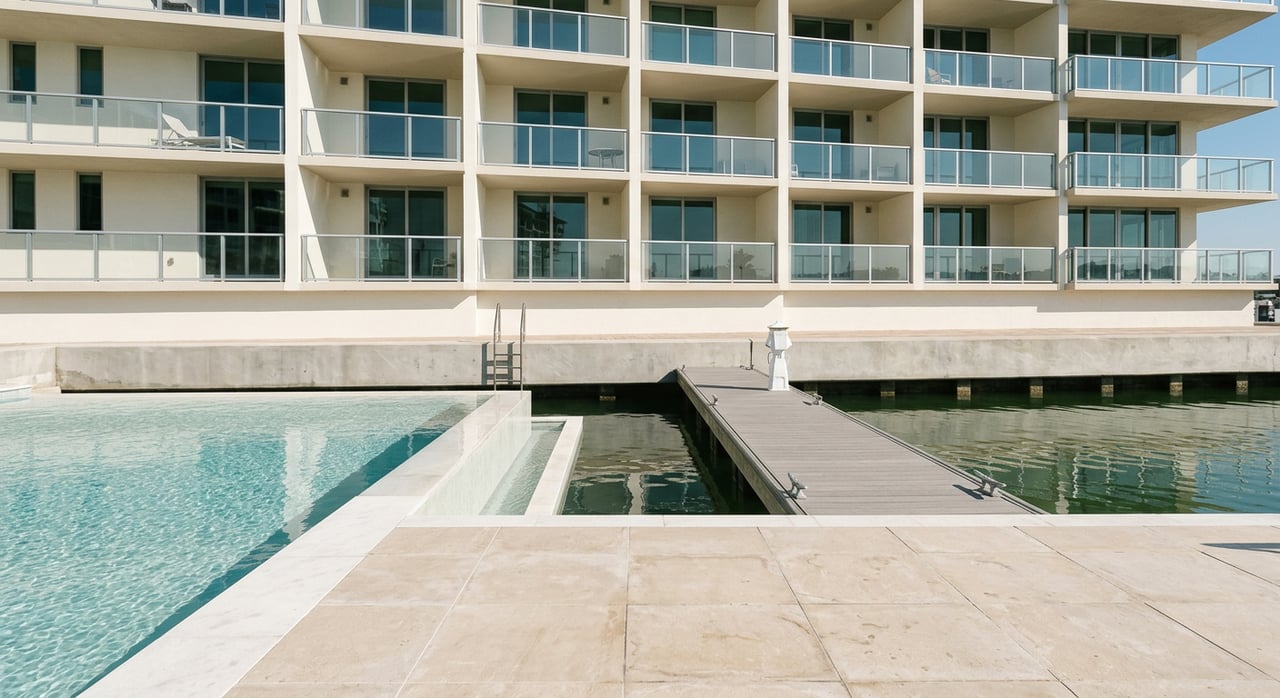
Is a small, three-island city between Miami and Miami Beach really worth your investment dollars? If you are eyeing waterfront property with long-term upside, North Bay Village keeps popping up for a reason. You want clear numbers, real risks, and a practical path to act with confidence. In this guide, you will get a balanced, data-forward view of pricing, rents, pipeline projects, cap rates, and the specific due diligence that protects your returns. Let’s dive in.
North Bay Village at a glance
North Bay Village is a compact, three-island municipality in Miami-Dade County with roughly 8,200 residents in 2024. New projects are highly visible because the land area is small and mostly on the water, so even a few towers can reshape the local market quickly. Population and household scale matter to your underwriting because they influence absorption and liquidity in resales. Census QuickFacts confirms the city’s small footprint and population profile.
The housing stock is largely mid-rise and high-rise condominiums plus smaller multifamily rentals. Owner-occupancy runs lower than national averages, which means a deep renter base and active investor participation. According to DataUSA’s profile for North Bay Village, the owner rate is about 42% in 2024, and the built environment is oriented to waterfront condo living.
Prices, rents, and who is buying
Public data sources show different snapshots depending on the date and methodology, so always note the timestamp. As of February 28, 2026, Zillow lists the average home value at about $385,924 and the observed average rent at $2,588. By contrast, 2024 summaries on DataUSA show a median property value near $464,200 and median household income around $84,000. Both sets are useful, but they measure different things and time frames, so use them as guideposts, not absolutes.
Who is in the market here? You will see a mix of local renters and Miami-area professionals, second-home and short-term rental investors, and a growing pool of ultra-luxury buyers drawn by new branded projects. Recent reporting shows both private buyers and institutions participating in bulk condo and multifamily trades, which supports liquidity for investment-grade assets.
Two core investment plays
North Bay Village supports two clear strategies. Your best fit depends on your risk tolerance, hold period, and cash flow goals.
Trophy and brand play
- Target branded or ultra-luxury waterfront product that benefits from scarcity and cachet.
- Expect appreciation to be tied to design, brand, and limited supply rather than pure yield.
- Example: The launch of Pagani Residences on Harbor Island brings a collectible, first-of-its-kind brand to the submarket.
Value-add or boutique multifamily play
- Acquire smaller waterfront buildings or bulk condo positions to renovate, professionalize operations, and optimize rental mix.
- Evaluate whether short-term rentals are allowed, then build a conservative rent plan either way.
- Example: The 15-unit Adagio building on Harbor Island sold in a bulk condo deal and was reported to trade above a 4% cap rate, with renovations and short-term operations planned by the buyer. That provides a local pricing reference for boutique waterfront assets. See The Real Deal’s coverage of the Adagio sale.
What the new pipeline means for returns
Several high-profile projects are changing the amenity set and future supply mix in a very small geography.
- Pagani Residences. A branded, ultra-luxury condo concept announced in 2024. This elevates the “trophy” tier of inventory and can support price discovery at the top end. Read the Pagani launch details.
- Continuum Waterfront District. A multi-phase plan with a 32-story condo tower, hotel rooms, a marina element, and a public waterfront promenade approved under a special area plan. This is a major density and amenity upgrade for the 79th Street Causeway gateway. See The Real Deal’s report on the approvals.
- Shoma Bay. A mixed-use tower anchored by a Publix, plus a food hall and hundreds of residential units, which will reset daily services and traffic on the islands. Review the Shoma Group’s updated plans.
Public improvements are also in motion. North Bay Village has secured grants for a new Civic Park on Harbor Island with a living shoreline, kayak launch, and dock. The project is designed to meet newer seawall codes and weave in climate adaptation features, which may support neighborhood appeal and usability of the waterfront. See the village’s Civic Park overview.
Investment takeaway: these private and public projects can attract new capital, enhance day-to-day convenience, and lift brand perception. They also concentrate new supply into a tight footprint, so you should model delivery timing carefully when projecting rents, marketing periods, and resale pricing.
Rental demand and occupancy signals
Renter demand across South Florida held up through 2024 and into 2025, supported by continued in-migration and for-sale affordability constraints. Regional vacancy often hovered in the mid single digits during that period, and underwriting assumptions stabilized after earlier interest rate shocks. North Bay Village benefits from short commutes to Miami Beach and the urban core, along with leisure spillover, which helps maintain absorption.
Short-term rentals can add yield, but they change your risk profile. Some buildings and owners have pursued short-term operations, including master lease structures. Others restrict or prohibit them. The Adagio bulk deal highlights how governance and rental rules can drive investment value. Before you underwrite STR income, confirm the building’s bylaws and current municipal rules, then price in enforcement risk. See The Real Deal’s reporting on Adagio and STR operations.
Pricing, cap rates, and comps
Use regional benchmarks as a starting point, then adjust for building age, amenity set, climate exposure, and insurance costs. Recent institutional brokerage surveys in 2024 and 2025 placed going-in multifamily cap rates in South Florida roughly in the mid to high 4% range for Class A and the low to mid 5% range for Class B. Waterfront boutique assets in North Bay Village can trade tighter than non-coastal suburban product because of scarcity, yet they often carry higher expense volatility due to insurance, maintenance, and potential assessments.
For on-the-ground context, the Adagio bulk condo sale reported pricing near $1.1 million per unit with a cap rate above 4%. In practice, you should benchmark every deal to the most recent local trades, then sensitize your pro forma for insurance, HOA dues, and any near-term capital items that could affect NOI.
Key risks you must price in
Climate and flood exposure
- Third-party models and listing platforms often label North Bay Village at a high flood risk level over the coming decades. Municipal shoreline upgrades are helpful, but they are not a full hedge. Underwrite long-term sea-level scenarios, add flood mitigation costs where relevant, and plan your exit timeline accordingly.
Insurance costs and availability
- Carriers have repriced Florida coastal risk in recent years, which has pushed wind and flood premiums higher and increased deductibles. Treat insurance as a material NOI swing factor and build a sensitivity range. For context on market headwinds in 2023 to 2025, see Terra’s industry commentary.
Supply concentration and timing
- In a small, mostly waterfront city, a handful of new towers can temporarily outpace local absorption. Branded luxury product may also compete with or displace demand for older mid-rise stock. Track the sequencing of Pagani Residences, Continuum’s district approvals, and Shoma Bay’s plans when forecasting rents.
Condo governance and rental restrictions
- HOA rules can enable or block short-term strategies. Some buildings have embraced STR operators, while others prohibit them. Get the resale packet, rental caps, and any master lease details before you sign. The Adagio coverage underscores why this matters.
Liquidity in a niche market
- Bulk and whole-building trades are possible, but single-unit resales can be slower than on the mainland. Align hold period and debt structure with a realistic exit plan.
Due diligence checklist for waterfront buyers
Use these steps to protect your capital before you go under contract.
Verify the property’s flood exposure and elevation
- Confirm the FEMA flood zone, review recent FIRM panels, and request any historical flood claims. Consider an elevation certificate. Municipal projects help, but property-level data rules your underwriting. The South Florida Regional Council’s resilience assessment offers useful regional context.
Get the full HOA and building packet
- Request rental policies, STR rules, reserve studies, recent and pending special assessments, and the insurance summary. The Adagio case shows governance can make or break returns.
Price insurance like a line-item shock
- Obtain current wind and flood quotes and model 10% to 30% premium increases to see where your DSCR and returns break. Terra’s market notes highlight why this has been a headwind in 2023 to 2025. See Terra’s commentary.
Benchmark cap rates and comps
- Use recent local trades for boutique waterfront and bulk condo deals as your lead indicators. Layer in regional cap rate surveys to test reasonableness, then adjust for HOA dues, insurance, and capital plans.
Track pipeline timing and entitlements
- Confirm approvals and likely delivery windows for nearby projects, especially Continuum’s Waterfront District, Shoma Bay’s Publix-anchored plan, and Pagani Residences.
So, is North Bay Village a smart buy?
If you value waterfront scarcity, brand momentum, and a convenient location between Miami Beach and the urban core, North Bay Village offers real upside. Branded projects and a new retail anchor can elevate pricing power and daily livability. At the same time, you must price in climate exposure, insurance volatility, and small-market liquidity. For appreciation-focused and trophy buyers, the thesis is compelling. For yield-focused investors, conservative underwriting and rigorous building-by-building diligence are non-negotiable.
Ready to evaluate a specific tower, stack, or boutique building? Let’s align your goals with the right play. Connect with Maruja Lina Gil, PA for a data-driven strategy and discreet execution across Miami’s waterfront markets.
FAQs
What makes North Bay Village attractive for waterfront investors?
- A compact, three-island city with limited land, strong waterfront orientation, and a pipeline of branded and mixed-use projects that can lift amenities and pricing power.
What are current prices and rents in North Bay Village?
- As of February 28, 2026, Zillow reports an average home value near $385,924 and an observed average rent around $2,588. DataUSA’s 2024 median property value is about $464,200.
How will new projects like Pagani and Continuum affect values?
- Branded product and district-scale amenities, including a Publix-anchored tower, can raise the submarket profile and support premium pricing, but also concentrate new supply that you must model by delivery year.
What cap rates should I use to underwrite deals?
- Regional surveys in 2024 to 2025 placed Class A multifamily cap rates in the mid to high 4% range and Class B in the low to mid 5% range. Waterfront boutique assets in NBV can trade tighter due to scarcity but carry higher expense risk.
Are short-term rentals allowed in North Bay Village condos?
- It varies by building. Some properties enable STR operations, while others restrict them. Always obtain the HOA’s rental rules and any master lease details before relying on STR income.
How serious is flood and climate risk in North Bay Village?
- Independent models and listing sources commonly flag high flood exposure. The city’s Civic Park and living shoreline projects are useful mitigations, but you should still plan for insurance, elevation, and long-term sea-level scenarios.
What due diligence steps are most important before buying?
- Confirm FEMA flood zone and elevation, get full HOA and insurance packets, stress-test premiums and assessments, benchmark cap rates to local comps, and verify timelines for nearby pipeline projects.