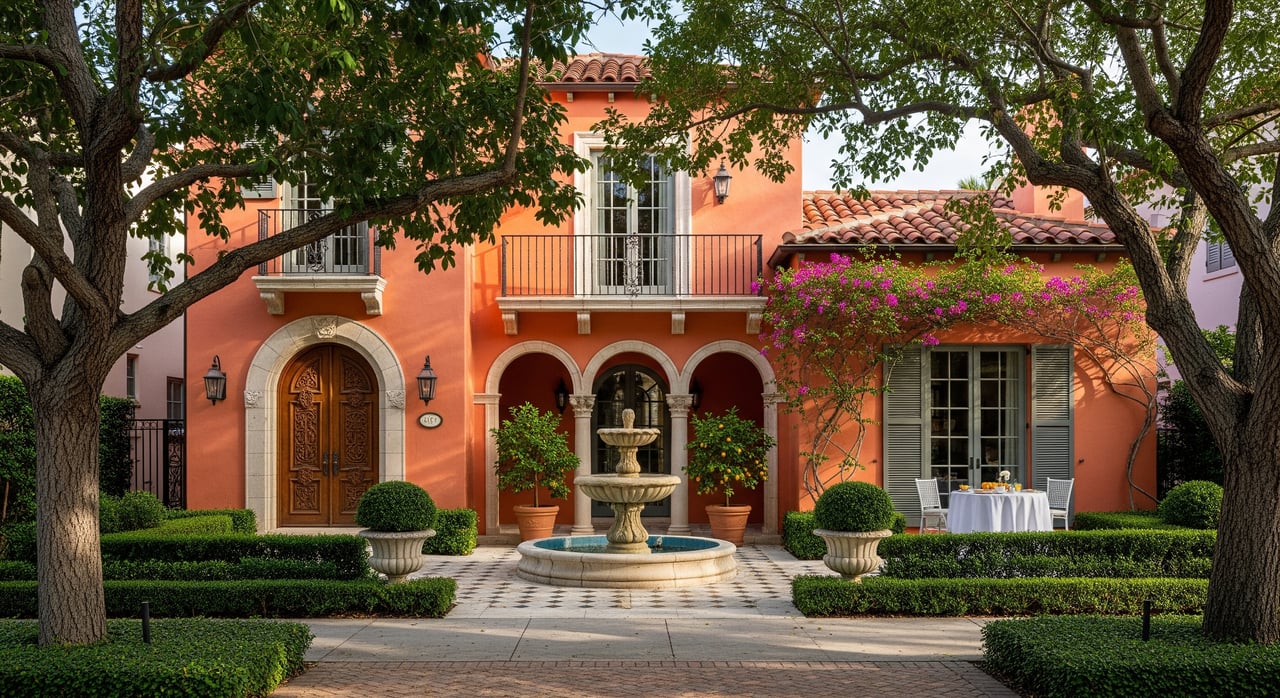
What does daily life in Coral Gables actually feel like? Picture shaded streets, Mediterranean architecture, and a walkable downtown where you can grab coffee, run errands, and meet friends for dinner in one place. If you are weighing a move, you want more than pretty photos. You want to understand routines, commute options, housing norms, and the tradeoffs between different pockets of the city. This guide gives you a clear snapshot so you can decide if the City Beautiful fits your lifestyle. Let’s dive in.
Coral Gables look and feel
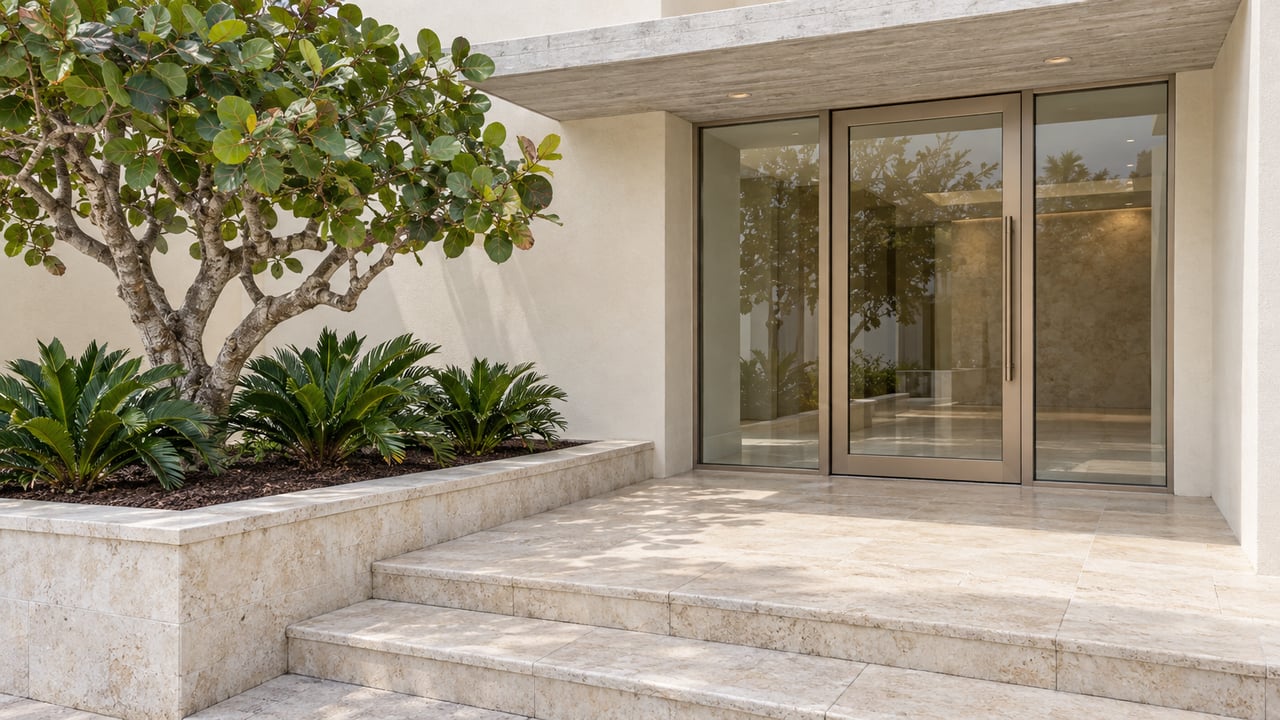
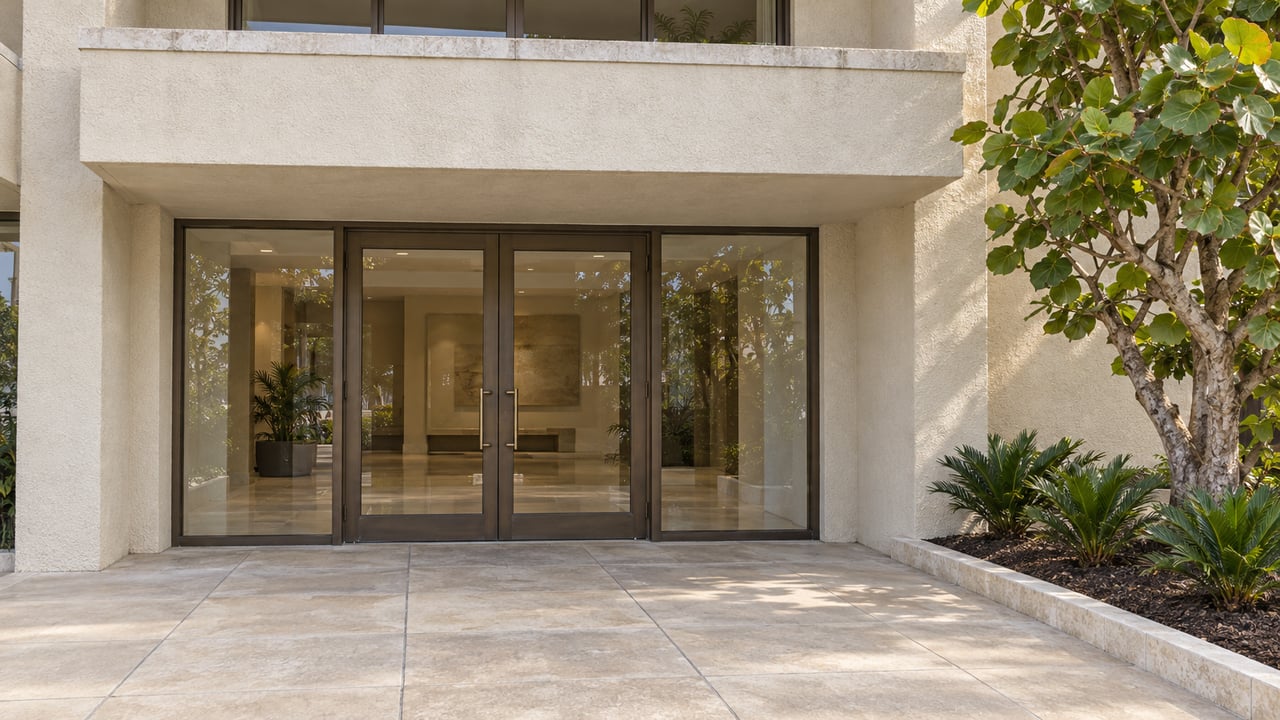
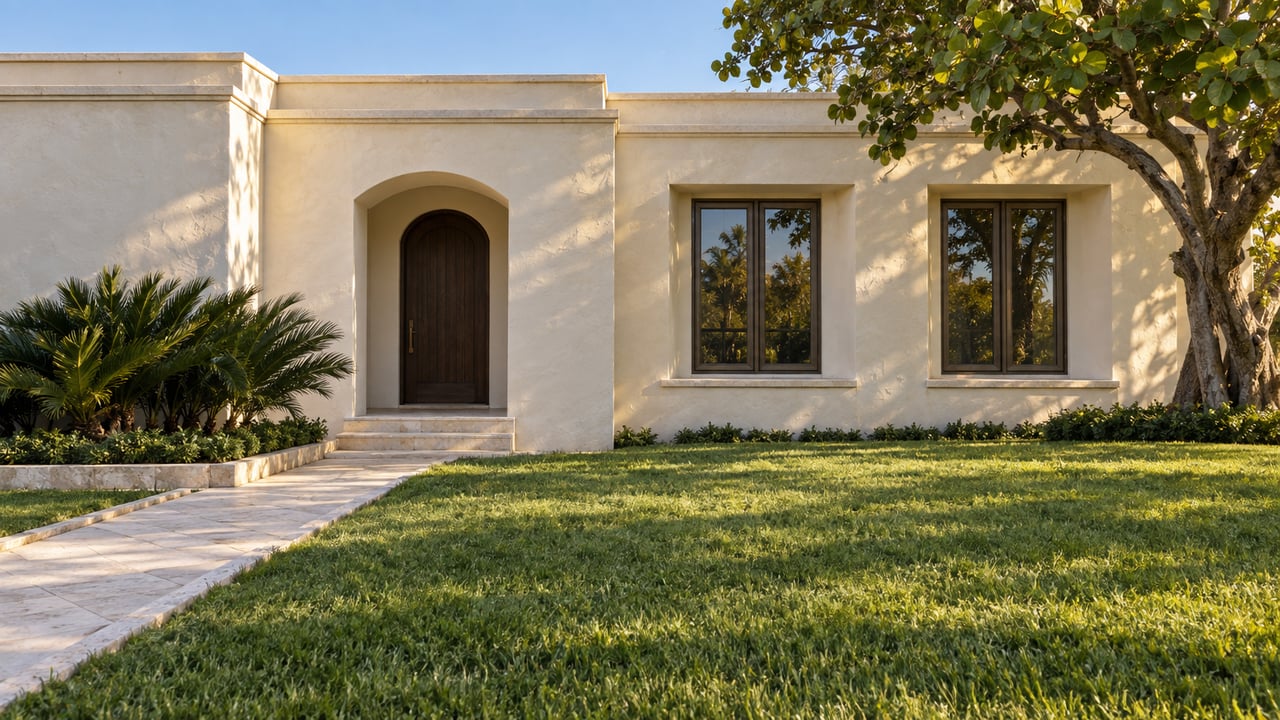
Coral Gables was designed in the 1920s as a “City Beautiful,” and you see it in the consistent Mediterranean‑Revival style, lush tree canopy, and landscaped medians. The skyline stays low, which protects the neighborhood scale and helps streets feel relaxed. Aesthetic controls and historic preservation shape how new buildings look and how renovations get approved.
You experience a suburban-urban blend here. Downtown blocks around Miracle Mile feel lively and walkable, while most residential streets are quiet with mature trees and single‑family homes. Waterways and canals add a coastal mood in select areas, especially near Biscayne Bay.
Micro-neighborhoods to know
Downtown and Miracle Mile
Miracle Mile is your main street for daily errands, boutique shopping, and evening dining. You can stroll to salons, bakeries, and professional services, then meet friends for dinner without moving your car. The area has sidewalk life but stays more restaurant-focused than nightlife-heavy.
Giralda Plaza and Ponce
Giralda Plaza and the Ponce de Leon corridor mix cafes, offices, and public spaces. It’s a comfortable area for weekday coffee meetings and quick lunches. If you want walkable living, this pocket delivers easy access to amenities.
Gables Estates waterfront
Gables Estates features private, luxury waterfront homes with boat access. It is car reliant and very private. If you keep a boat or value a secluded setting, this area offers a distinct waterfront lifestyle.
Coral Way and Old Cutler
These tree-lined boulevards showcase classic single‑family homes and long shaded stretches that are popular for jogging and cycling. The mature canopy is a daily comfort, especially during hot months.
University of Miami area
The University of Miami sits inside Coral Gables and adds energy during the academic year. You find coffee shops, bookstores, and services that cater to students and faculty. UM programming and arts events also enrich your calendar; explore the campus and the University of Miami arts and culture pages to see what is happening.
Venetian Pool surroundings
Around the historic Venetian Pool, you have quiet residential streets plus convenient access to recreation. If you have not visited, plan a swim at the Venetian Pool; it is a signature local experience.
Daily life and amenities
Coral Gables offers a comfortable rhythm. On weekdays, you might drop off at school, grab a cappuccino along Miracle Mile, then head to work in a nearby office or commute to Brickell. After hours, dinner tends to be relaxed and restaurant-focused rather than club-forward. On weekends, people head to outdoor destinations, explore arts programming, or enjoy low-key evenings at neighborhood spots.
Shopping is well covered. Miracle Mile and Giralda Plaza offer boutiques and services. The Shops at Merrick Park add an outdoor mall experience with upscale retail. Grocery stores and specialty markets are spread across the city and nearby corridors.
Culture is part of the mix. The Coral Gables Museum showcases local history and architecture; check exhibits and programs at the Coral Gables Museum. The Actors’ Playhouse, the Biltmore Hotel’s events, and the Lowe Art Museum at UM round out your options.
Parks and outdoor time
Outdoor life is a major draw. The Venetian Pool delivers a one-of-a-kind public swim in a historic setting. For a day surrounded by rare plants and shaded paths, the Fairchild Tropical Botanic Garden nearby is a favorite weekend outing.
Runners, cyclists, and dog walkers gravitate to Coral Way and the Old Cutler corridor. If you live along the waterway system or in Gables Estates, boating becomes part of your week. Many residents value how the city’s landscaping creates shade and slows traffic on neighborhood streets.
Getting around and commute
Proximity to major job centers is a strength. Drives to Brickell or Downtown Miami often range from 15 to 30 minutes depending on traffic. Rush hour can push it longer, so you will want to test your route at peak times before you commit to a specific address.
Public transit options exist, especially on the city’s edges. You can connect to Metrorail at the Douglas Road and University stations, and Metrobus routes run through key corridors. Explore routes and schedules with Miami‑Dade Transit. Coral Gables also operates local trolley services that connect downtown areas, which many residents use for short trips.
Walkability varies by pocket. Miracle Mile, Giralda Plaza, and blocks near UM are fairly walkable, while outlying residential areas are more car dependent. For a quick sense of block‑level walkability, review the Coral Gables walkability overview.
Parking downtown is a mix of metered on‑street spaces, municipal garages, and private lots. Most residential areas rely on driveways and garages.
Housing types and costs
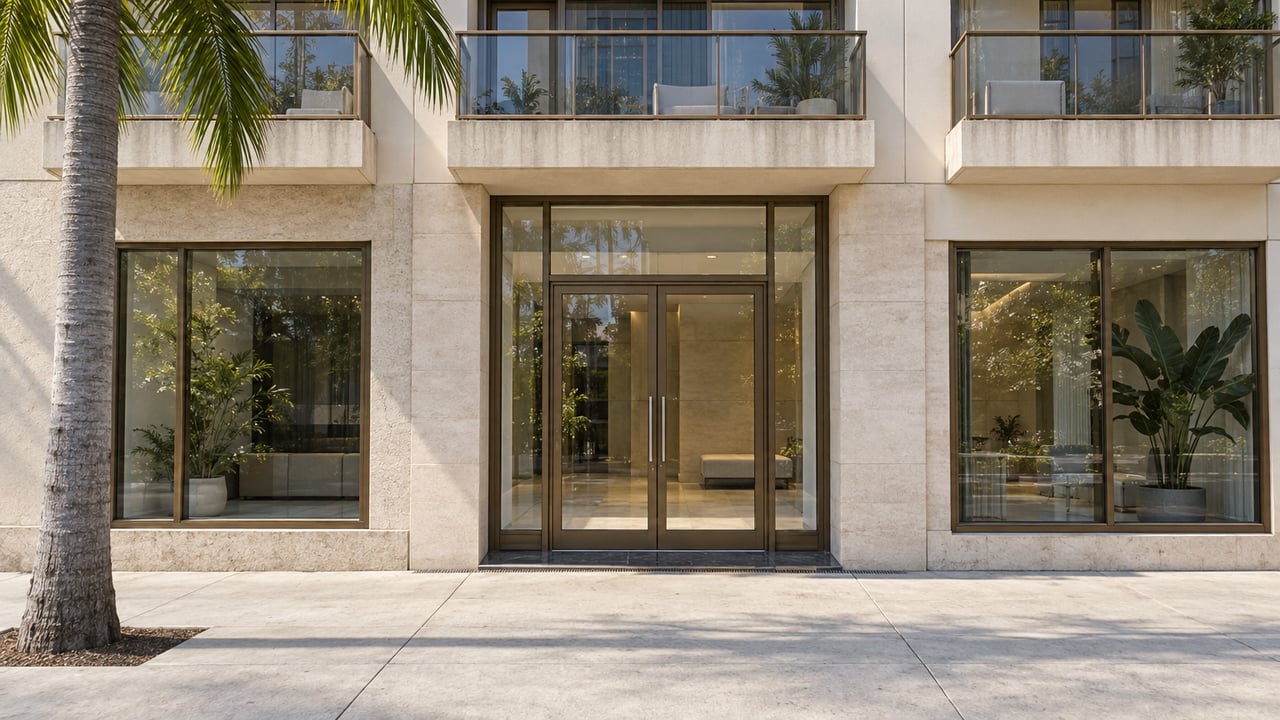
You will see a range of options: historic single‑family homes, low‑ and mid‑rise condos, and luxury waterfront estates. Architecture leans Mediterranean and Spanish Colonial, which shapes exterior materials and renovation choices. Blocks near the university include more rentals and student‑oriented buildings.
Coral Gables is typically a higher‑cost submarket within Miami‑Dade because of its central location, aesthetic controls, and limited land for new development. Luxury and waterfront segments can move differently than the broader market, with prices that reflect scarcity and unique features. If current pricing is crucial for your decision, plan to review fresh data from your agent before you act.
Rules, taxes and insurance
Budget for county and municipal property taxes plus any association dues where applicable. Many condo buildings and upscale neighborhoods have HOAs that set community rules for exterior changes, parking, and short‑term rental policies.
Historic preservation and design review are part of Coral Gables’ identity. If you intend to remodel a property in a designated area, factor in permit timelines and materials requirements. This process helps keep the city’s architectural character intact, but it can extend planning compared with less regulated areas.
Hurricane and flood risk are important. Depending on your exact location and elevation, you may choose or be required to carry windstorm and flood insurance. Before you make an offer, it helps to review flood‑zone and elevation details using the FEMA Flood Map Service Center and to consult a local insurance professional about coverage and premiums.
Safety, services and climate
Coral Gables is generally perceived as a well‑served, civic‑minded community. The city provides parks, public works, cultural programming, and active planning boards. For safety resources, neighborhood watch programs, and official reports, the Coral Gables Police Department is your best reference.
The climate is subtropical with hot, humid summers and mild winters. Hurricane season runs from June through November, so most residents keep a basic plan for supplies and property preparations. City and county resilience efforts address flooding, king tides, and long‑term sea‑level planning, which informs building codes and insurance options.
Schools and education
Education options span public and private schools, plus the university. The University of Miami influences the city’s cultural calendar and daytime activity. For public school zoning and performance information, consult Miami‑Dade County Public Schools and the Florida Department of Education. School assignments vary by address, so verify zoning for any home you are considering.
Is Coral Gables right for you?
Choose downtown or near‑UM living if you want walkable access to restaurants, cafes, and transit. Pick tree‑lined residential streets along Coral Way or Old Cutler if you prefer quiet, single‑family neighborhoods with easy outdoor routines. Consider Gables Estates or other waterfront pockets if boating and privacy are core to your lifestyle.
Use this quick checklist as you compare addresses:
- List your top three daily destinations and test the route at peak hours.
- Decide how much walkability you need for errands and dining.
- Confirm HOA rules, renovation limits, and any short‑term rental policies.
- Review flood‑zone, elevation, and insurance options in detail.
- Map access to transit via Miami‑Dade Transit and the local trolley.
- Check school zoning through Miami‑Dade County Public Schools if that matters to your household.
If you want a curated shortlist of homes that match your routines, your architecture preferences, and your risk profile, a local advisor can save you time.
Ready to explore Coral Gables with an expert who blends neighborhood fluency and investment‑grade guidance? Reach out to Maruja Lina Gil, PA to map your next steps and request your complimentary home valuation.
FAQs
How walkable is Coral Gables for daily errands?
- Downtown near Miracle Mile, Giralda Plaza, and the UM area are fairly walkable, while many residential pockets are car dependent; review the Coral Gables walkability overview to compare blocks.
What are typical commutes from Coral Gables to Brickell or Downtown?
- Many drives fall in the 15 to 30 minute range depending on traffic, with longer times during rush hour; test your route at peak times before choosing a home.
How do hurricane and flood risks affect homeowners in Coral Gables?
- Risk varies by neighborhood and elevation; use the FEMA Flood Map Service Center to check flood zones and discuss windstorm and flood insurance options with a local insurer.
What types of homes will I find in Coral Gables?
- You will see historic single‑family homes, low‑ and mid‑rise condos, and luxury waterfront estates, often influenced by Mediterranean‑Revival and Spanish Colonial styles.
What should I know about schools in Coral Gables?
- School assignments depend on your address; verify zoning and performance through Miami‑Dade County Public Schools and the Florida Department of Education.
What public transit serves Coral Gables?
- Metrorail stations at the Douglas Road and University areas connect to regional lines, and Metrobus routes cover key corridors; explore schedules with Miami‑Dade Transit.