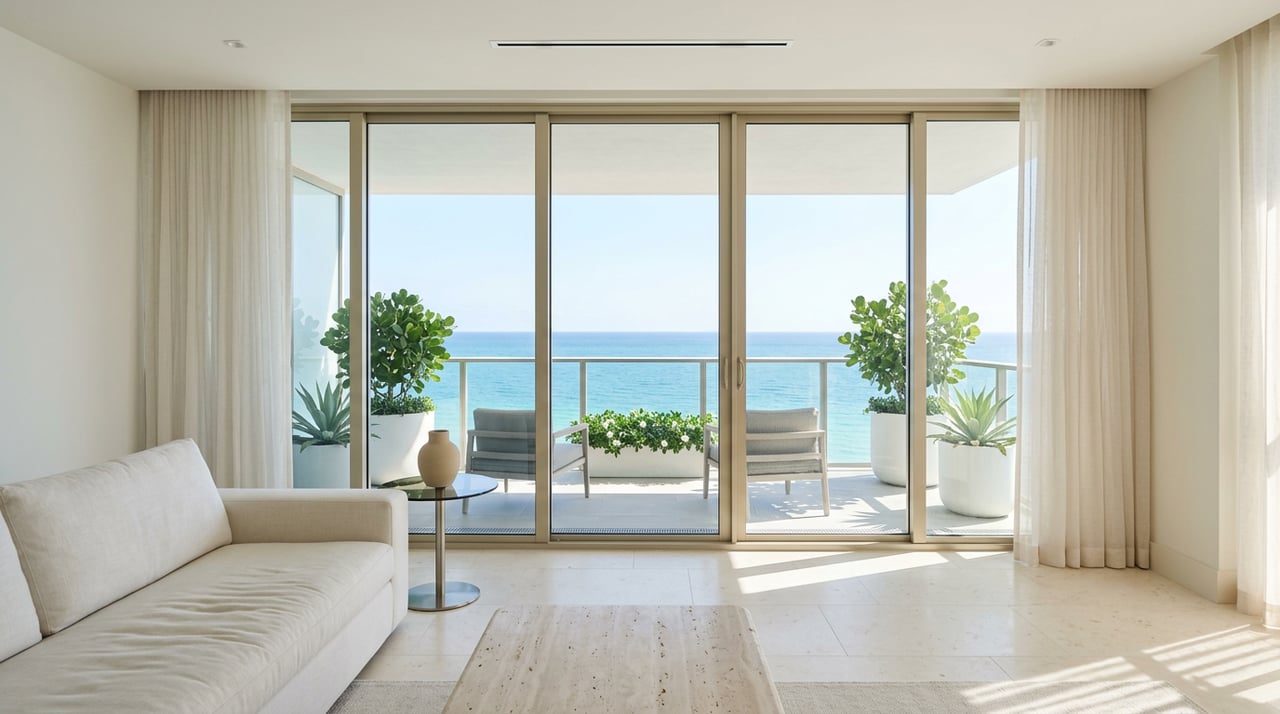
Is the ocean calling your name? Buying an oceanfront condo in Miami Beach can deliver sunrise views, resort amenities, and a lock-and-leave lifestyle. It also comes with unique rules, inspections, insurance realities, and financing hurdles that you will want to understand before you write an offer. In this guide, you will learn how to evaluate a building’s safety, budget for true costs, navigate short-term rental rules, and secure financing that fits your plan. Let’s dive in.
Why Miami Beach oceanfront is unique
Miami Beach sits on a low-lying barrier island, so flood risk and future sea-level rise are part of ownership. Tidal or “sunny day” flooding and storm surge should be factored into your decision, along with FEMA flood zones and elevation data. Review official flood resources and discuss coverage options early. You can start with the University of Florida’s overview of coastal flood and insurance basics in Florida’s barrier islands. Learn more about coastal flood risk.
Safety rules changed after the Surfside tragedy. Miami-Dade and Florida now require milestone structural inspections, structural integrity reserve studies, and periodic building recertification at set ages. Before you buy, confirm whether the building completed inspections, what the engineers found, and whether any remediation or special assessments are in place. See Miami-Dade’s recertification program.
Insurance is another key factor. Florida’s property insurance market has been volatile, with higher premiums and tighter underwriting for coastal condos. Association insurance and your personal policy may change year to year. Expect insurance to be a major line item in your ownership costs. Review Florida insurance market context.
Choose the right building type
Luxury branded and resort towers
These towers often deliver extensive amenities, hotel-level services, and professional management. Dues tend to be higher and rental policies can be strict or hotel-style. Many buyers value the management quality and amenity set, but you should still verify reserves, insurance, and rental rules.
Mid-century concrete towers
Buildings from the 1950s to 1970s can offer direct ocean views and large unit counts, but aging systems may require repairs tied to recertification. This can lead to special assessments or financing constraints. Confirm the status of inspections, any required work, and budgets for completion. Understand recertification deadlines and requirements.
Boutique Art Deco and low-rise buildings
Smaller buildings can feel more intimate and may have lower amenity loads. Reserves and insurance practices vary widely, so it is essential to review financials and coverage details. Policies on leasing and short-term rentals can also differ building to building.
Condo-hotels and short-term rental product
If a building permits nightly or weekly stays or operates as a condo-hotel, you will face a different rule set and often higher operational costs. Lenders treat these buildings differently, and city permitting is specific. Confirm both association rules and the City of Miami Beach’s requirements before you count on rental income. Check Miami Beach short-term rental rules.
Understand HOA dues, reserves, and assessments
Monthly dues usually cover the master property insurance policy, exterior maintenance, building staff and amenities, and reserve contributions. In some buildings, common-area utilities are also included. Florida statute requires associations to follow specific insurance and reserve standards, including funding for major structural components. Review the budget, reserve study, and insurance certificates to see what is covered and how reserves are funded. See Florida’s condominium statute.
Dues vary widely by building age, amenity level, and management approach. Instead of relying on citywide averages, evaluate the exact budget and reserve line items for the building you are considering. Look for consistent reserve funding and a clear plan for capital projects.
Red flags in the HOA’s financials include low or zero reserves, recent or pending large special assessments, high delinquency rates, and insurance non-renewals. These can affect affordability and sometimes lender approval. Learn how financials affect condo loans.
Insurance, flood, and wind: what to verify
Your association carries a master policy that insures the structure and common elements. As an owner, you will likely need an HO-6 policy to cover interior finishes, personal property, loss of use, and liability. Make sure your HO-6 dovetails with the master policy so there are no coverage gaps. Review coverage responsibilities under Florida law.
Flood coverage is separate from standard hazard or wind policies. Premiums depend on FEMA flood zones and elevation. Much of Miami Beach is in high-risk coastal zones, so lenders will require flood insurance if you finance the purchase. Ask for the association’s insurance certificate, hurricane and wind deductibles, flood policy details, and recent renewal notices. Then get a unit-level HO-6 quote to see your true cost. Get a primer on coastal flood zones and coverage.
Insurance markets change, and renewals can bring higher premiums or new conditions, especially for buildings with deferred maintenance. Build in a cushion for potential increases and understand how large master policy deductibles could be assessed to owners after a storm. See Florida insurance market data. For deductible mechanics and owner exposure, ask your agent for a clear summary. Explore a master policy deductible guide.
Financing and warrantability
Most buyers aim for conventional financing backed by Fannie Mae or Freddie Mac. To qualify, the condo project must be warrantable, which means the lender reviews reserves, insurance, owner-occupancy, litigation, assessments, and structural items. If the project does not meet these standards, you may need portfolio or jumbo financing, or more cash. Check GSE project eligibility factors.
Common issues that limit agency financing include material pending litigation, unfunded critical repairs, inadequate reserves, high delinquency rates, and heavy short-term rental concentrations. Lenders increasingly ask for recent structural reports in coastal Florida. If in doubt, ask your lender to screen the building before you make an offer.
Practical tip: Ask your lender early whether the building is eligible for conventional/FHA/VA financing or whether you will need a portfolio/jumbo product. This simple step can save time and stress. Learn more about lender review items.
Short-term rentals and licensing
The City of Miami Beach requires a Business Tax Receipt and Certificate of Use for permitted short-term lodging, and many residential zones prohibit rentals under six months. The city enforces violations and fines. Before you rely on rental income, confirm zoning, registration, and any building-level restrictions. Start with the city’s short-term rental page.
At the state level, some transient use may require a Florida Department of Business and Professional Regulation vacation rental license. Short-term stays are also subject to state sales tax and local resort or tourist development taxes, which require registration and remittance. Review state vacation rental definitions and rules.
Even if the city allows short-term rentals in your area, your condo’s declaration and rules may prohibit them or limit lease terms. Florida law governs how rental restrictions can be adopted and applied to owners. Read the declaration, rules, and any rental amendments in your HOA packet. See statute on amendments and rental restrictions.
Your due diligence checklist
Use this list before you waive contingencies:
- HOA documents and insurance: declaration, bylaws, rules, budget, reserve study, reserve balances, and insurance certificates with limits and deductibles. Review condo statute requirements
- Financial health: year-to-date financials, arrears report, recent meeting minutes, details on any special assessments and repayment terms. See lender-view of financial red flags
- Safety and structural: milestone and recertification reports, SIRS, and any engineer reports from the past 3–5 years. Confirm compliance with deadlines. Miami-Dade recertification resources
- Litigation and title: association litigation letter, title exceptions, and any recorded items affecting the unit or common elements. Understand project eligibility impacts
- Insurance quotes: an HO-6 quote for the unit, recent association renewal notices, and a clear summary of hurricane and flood deductibles. Master policy deductible guide
- Flood and elevation: FEMA zone determination, any elevation certificate, and a flood quote comparison. Coastal flood overview
- Financing pre-clearance: lender confirmation on warrantability and any FHA or VA approval pathways. Fannie Mae project standards
- Short-term rental compliance: written confirmation from the association on rental terms and city documentation for any required permits. Miami Beach STR requirements
International buyer note: If the seller is a foreign person, U.S. tax rules may require buyer withholding at closing under FIRPTA. Consult a qualified U.S. tax advisor early to plan for any impact on your funds to close.
Miami Beach vs nearby oceanfront options
- South Beach and SoFi feature boutique luxury towers and historic conversions with premium walkability. Many buildings are older, so you will want to verify recertification status and budgets for upgrades.
- Mid-Beach and North Beach include a mix of newer luxury towers and established buildings with varied insurance and maintenance profiles. Compare reserve funding, management depth, and recent capital projects.
- Sunny Isles, Bal Harbour, and Surfside often skew to newer ultra-luxury towers with extensive amenities. Surfside has heightened buyer due diligence awareness. When comparing markets, look beyond the view. Focus on building age, developer and management quality, insurability, and reserve strength.
Red flags to watch
- Missed or failed milestone or recertification inspections, or unresolved defects noted by engineers. Check county recertification guidance
- Inadequate reserves, recent large special assessments, or rapid dues increases without a long-term plan. Review reserve rules in Chapter 718
- Master policy non-renewal, reduced coverage, or very large hurricane or flood deductibles that could be assessed to owners. Insurance market context
- Building listed as ineligible for agency financing, mandatory evacuations, or major litigation that could block conventional loans. Project eligibility overview
- Unit in a VE coastal high-hazard zone without an elevation certificate or a realistic flood coverage plan. Coastal flood primer
Budget for the true cost of ownership
Plan for the full picture: monthly HOA dues, potential special assessments connected to structural or insurance changes, HO-6 premiums, flood coverage, lender-required reserves, and closing costs. If you plan to rent, include city registration fees, state and local lodging taxes, and license costs. Build a buffer for rising insurance costs and any capital projects identified in the reserve study.
Work with a data-forward advisor
An oceanfront purchase in Miami Beach rewards careful due diligence and a steady plan. With the right team, you can secure the lifestyle you want and protect your investment. If you would like a clear path from shortlist to closing, including building-by-building analysis, multilingual guidance, and lender introductions, connect with Maruja Lina Gil, PA.
FAQs
What should I check first when buying a Miami Beach oceanfront condo?
- Start with the association’s inspection history, reserve study, and insurance certificates, then confirm flood zone and lender eligibility for the building.
How do HOA reserves and SIRS affect my costs?
- Strong reserves reduce the chance of special assessments and improve lender approval odds. Review the latest SIRS and whether the budget funds required structural components. See Florida condo reserve standards
Do I need separate flood insurance for a Miami Beach condo?
- Yes. Flood insurance is separate from wind or property coverage. Lenders require it in high-risk zones, and premiums vary by elevation and FEMA maps. Learn about flood zones
What makes a condo project non-warrantable for conventional loans?
- Common issues include inadequate reserves, major litigation, unfunded critical repairs, and high short-term rental concentrations. Review GSE eligibility factors
Can I operate a short-term rental in my Miami Beach condo?
- Only if both the city and your association allow it. Miami Beach requires a BTR, CU, and compliance with zoning. Your condo declaration may still prohibit short stays. See city STR requirements
How do hurricane deductibles work for condo owners?
- Associations may carry high per-event wind and hurricane deductibles. After a covered event, a portion can be assessed to owners as a common expense. Ask for the policy summary and scenario estimates. Deductible overview