If you are selling a historic home in Coral Gables, you are not just listing square footage and finishes. You are also selling architectural character, preservation history, and a property that may come with unique review and disclosure steps. When you understand those steps early, you can avoid delays, answer buyer questions with confidence, and present your home in a way that protects value. Let’s dive in.
Know Your Home’s Historic Status
Before you prepare photos, pricing, or repairs, confirm exactly how your property is classified. In Coral Gables, there is an important difference between a locally designated historic landmark, a contributing property within a historic district, and an older home that simply has historic character.
That distinction matters because locally designated properties and properties in historic districts may be subject to Coral Gables review for certain exterior changes. The city’s preservation framework is designed to protect historic structures and sites, and local designation is handled through public hearings for properties entered into the Coral Gables Register of Historic Places.
In general, a property must be at least 50 years old to qualify for local historic designation. If you are unsure whether your home is designated or part of a historic district, verifying that status should be one of your first pre-listing tasks.
Review Past Exterior Work Early
If you completed exterior work on the home, gather the approval history before you go to market. In Coral Gables, a Certificate of Appropriateness, or COA, is required before most exterior work begins and before a building permit can be issued, although some maintenance-only projects may not require COA review.
This is especially important if you made changes to visible features such as the roof, windows, doors, additions, or exterior finishes. Buyers often ask whether changes were properly reviewed, and having the paperwork ready can help prevent last-minute concerns during due diligence.
Coral Gables also follows a sequence for review that sellers should understand. The city requires Board of Architects review for design applications, and the Board of Architects recommendation must be obtained before a COA is submitted.
Why timing matters before listing
If you are considering last-minute exterior improvements, do not assume you can simply hire a contractor and start. Visible alterations such as roof changes, additions, or cosmetic exterior updates may need to be checked against the city’s review process first.
Handling this early can save you from marketing a home with unresolved permitting or approval questions. It also gives you a cleaner story to tell buyers about the property’s condition and compliance history.
Build a Clear Property Record
Historic-home sales go more smoothly when you can explain what changed, when it changed, and how the work was handled. A strong property file helps buyers understand what is original, what was restored, and what was replaced.
Coral Gables materials for the ad valorem tax exemption specifically ask owners to document major alterations or additions. Common feature categories include windows, doors, roof, foundation, siding, and staircases, which also happen to be the same areas buyers and inspectors tend to focus on.
A useful seller file may include:
- Proof of historic designation, if applicable
- Approved COA documents
- Architectural plans
- Before and after photos
- As-built drawings for completed work
- Records of major repairs or restorations
- Notes on original versus replacement materials
This kind of organization signals that the home has been cared for thoughtfully. It can also reduce confusion when buyers, inspectors, and closing professionals start asking detailed questions.
Understand Historic Tax Incentive Records
If your home was restored under a local or county historic incentive program, that documentation can be especially helpful during the sale. Coral Gables and Miami-Dade tie historic tax incentives to approved rehabilitation work, and the paperwork can show that improvements were completed within a preservation framework.
The city’s ad valorem tax exemption applies only to the added value created by approved rehabilitation. It lasts for 10 years and does not eliminate all property taxes.
For sellers, the main advantage is not just the incentive itself. It is the credibility that comes with having a documented approval and completion record for the work performed.
Prepare for Disclosure Questions
Historic homes often come with more buyer questions because age, materials, and past work matter more. That makes early disclosure prep one of the smartest steps you can take.
Under Florida Statutes section 689.302, sellers of residential real property must provide a flood disclosure to the purchaser at or before contract execution. The form asks whether the seller has filed flood-related insurance claims or received federal flood assistance.
For Coral Gables properties near the water, on lower-lying lots, or with a history of moisture concerns, it is wise to gather this information well before you receive an offer. Waiting until the contract stage can create stress and invite avoidable surprises.
Florida law also recognizes a duty to disclose known facts that materially affect value when those facts are not readily observable to the buyer. For a historic home, that can include issues such as prior roof leaks, unpermitted structural changes, or other hidden defects that may not be obvious during an initial showing.
Lead-based paint can affect timing
If your home was built before 1978, federal lead-based paint disclosure rules may apply. Sellers must provide known information about lead-based paint and lead hazards, share available records and reports, and provide the required EPA pamphlet before the contract is signed.
This is a routine issue for many older homes, but it is best handled early. When disclosure documents are complete from the start, buyers tend to feel more comfortable moving forward.
Get the Home Ready for Inspection
A pre-listing inspection can be especially useful when selling a historic property in Coral Gables. It helps separate normal signs of age from true repair issues and gives you time to address concerns before a buyer’s inspector finds them.
The city’s preservation materials place special importance on roofs, windows, and other character-defining features. Buyers are often less concerned with whether everything looks brand new and more concerned with whether historic elements were maintained, repaired properly, or replaced with compatible materials.
Coral Gables preservation guidance also favors repair over replacement when feasible. When replacement is necessary, the new work should be compatible with the old.
Focus on character-defining features
Before listing, be ready to explain the condition and repair history of features such as:
- Windows and doors
- Roof shape and roofing materials
- Coral rock details
- Arches and decorative surrounds
- Loggias and courtyards
- Exterior finishes and visible trim
If these elements were restored, buyers will want to know how. If they were replaced, buyers may ask whether the replacements are compatible with the home’s architectural style.
Market the Architecture Honestly
One of the biggest opportunities when selling a historic home in Coral Gables is the way you tell the property’s story. The strongest listings usually focus on authentic architectural details rather than generic luxury language.
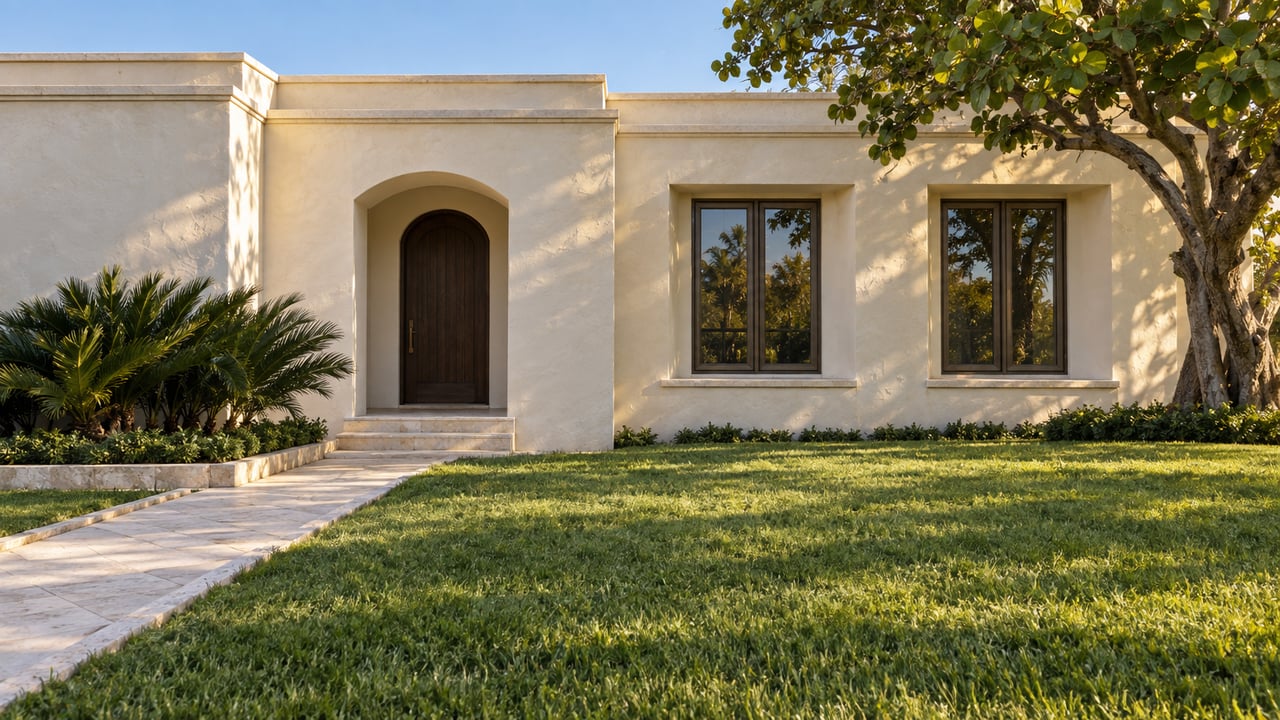
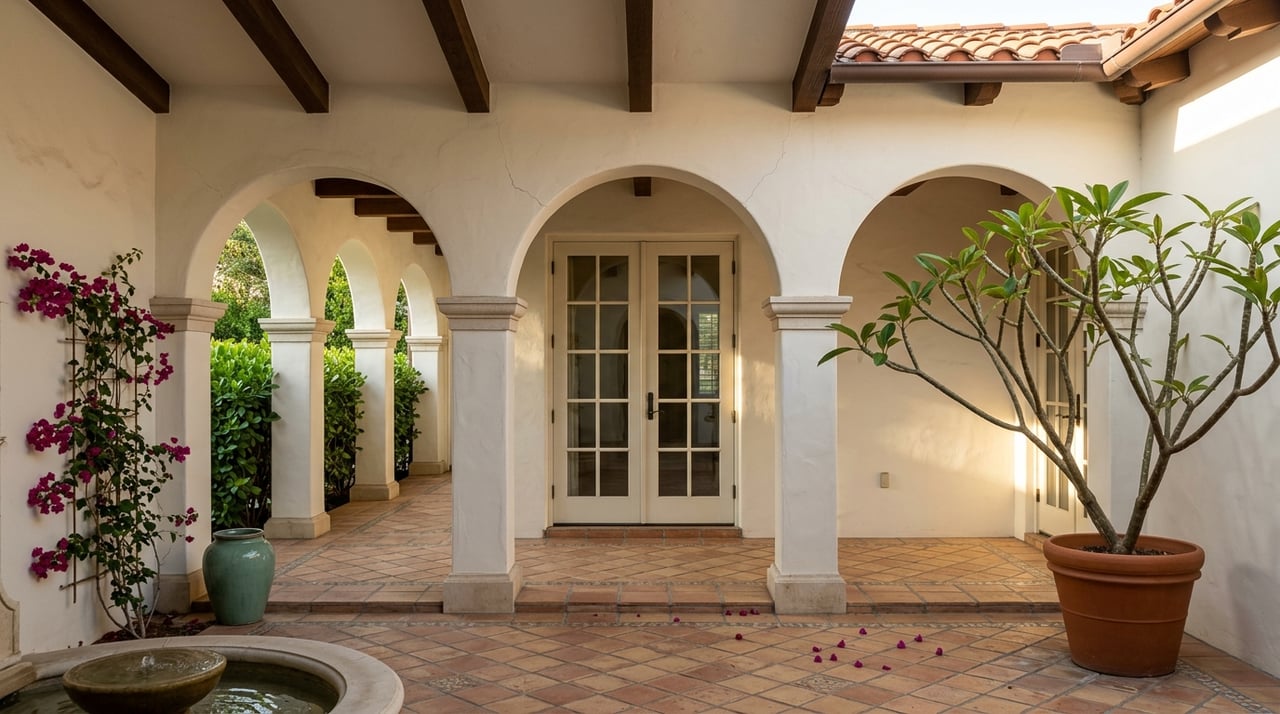
Coral Gables is closely associated with Mediterranean Revival design and features such as coral rock, barrel tile roofs, loggias, courtyards, arches, and strong proportions. These details often create the emotional connection that draws buyers in, so they should be visible in photography and clearly described in the listing.
Just as important, your marketing should be accurate. The city’s preservation guidance warns against creating a false sense of history or adding conjectural details borrowed from other buildings.
What buyers want to understand
When buyers view a historic home, they often want clear answers to a few basic questions:
- What architectural features are original?
- What has been restored?
- What has been replaced?
- Were changes handled through the proper review process?
- Are the updates compatible with the home’s style?
The best listing narrative is usually the most truthful one. Explain what belongs to the home’s original fabric, what was preserved with care, and what was updated in a way that respects the house’s scale, materials, and design.
Expect Questions About Review Limits
Historic designation does not stop a sale. In Coral Gables, the preservation framework affects exterior alterations and permitting, not the basic ability to transfer ownership.
That said, buyers may ask whether future renovations will be reviewed. In general, the city guide states that interior remodeling of a designated historic structure is not usually subject to review, unless ad valorem tax relief is being requested for interior impact, with limited exceptions.
This is another reason your records matter. A well-prepared seller can answer practical questions without overcomplicating the transaction.
Why a Thoughtful Strategy Matters
Selling a historic home in Coral Gables is different from selling a standard property. You are balancing preservation history, architectural storytelling, municipal review records, and Florida disclosure requirements, all while trying to maximize buyer confidence.
When you prepare early, your home is easier to position as a preserved asset rather than a project with unanswered questions. That can lead to a smoother listing process, stronger marketing, and fewer surprises on the way to closing.
If you are preparing to sell a historic home in Coral Gables, Maruja Lina Gil, PA offers boutique, data-driven guidance with local market knowledge, polished listing presentation, and multilingual service to help you bring your property to market with clarity and confidence.
FAQs
What should you verify before selling a historic home in Coral Gables?
- You should confirm whether the home is a local historic landmark, a contributing property in a historic district, or simply an older home with historic character, because that affects whether certain exterior changes are subject to city review.
Does historic designation prevent a home sale in Coral Gables?
- No. Historic designation affects review of certain exterior alterations and permitting, but it does not prevent ownership from being transferred.
Do you need a Certificate of Appropriateness before exterior work in Coral Gables?
- In many cases, yes. Coral Gables requires a COA before most exterior work begins and before a building permit can be issued, although some maintenance-only projects may not require COA review.
What records help most when selling a historic home in Coral Gables?
- Helpful records include proof of designation, approved COA documents, plans, before and after photos, as-built drawings, and records showing what was restored, repaired, or replaced.
Are interior renovations reviewed for designated historic homes in Coral Gables?
- Generally, interior remodeling is not subject to review for a designated historic structure unless ad valorem tax relief is being requested for interior impact, with limited exceptions.
Is there a tax incentive for approved historic rehabilitation in Coral Gables?
- Yes. The ad valorem incentive applies to the added value from approved rehabilitation work, lasts for 10 years, and does not remove all property taxes.
What disclosures matter when selling an older home in Florida?
- Depending on the property, key disclosures may include the required Florida flood disclosure, disclosure of known hidden defects that materially affect value, and lead-based paint disclosure for most homes built before 1978.