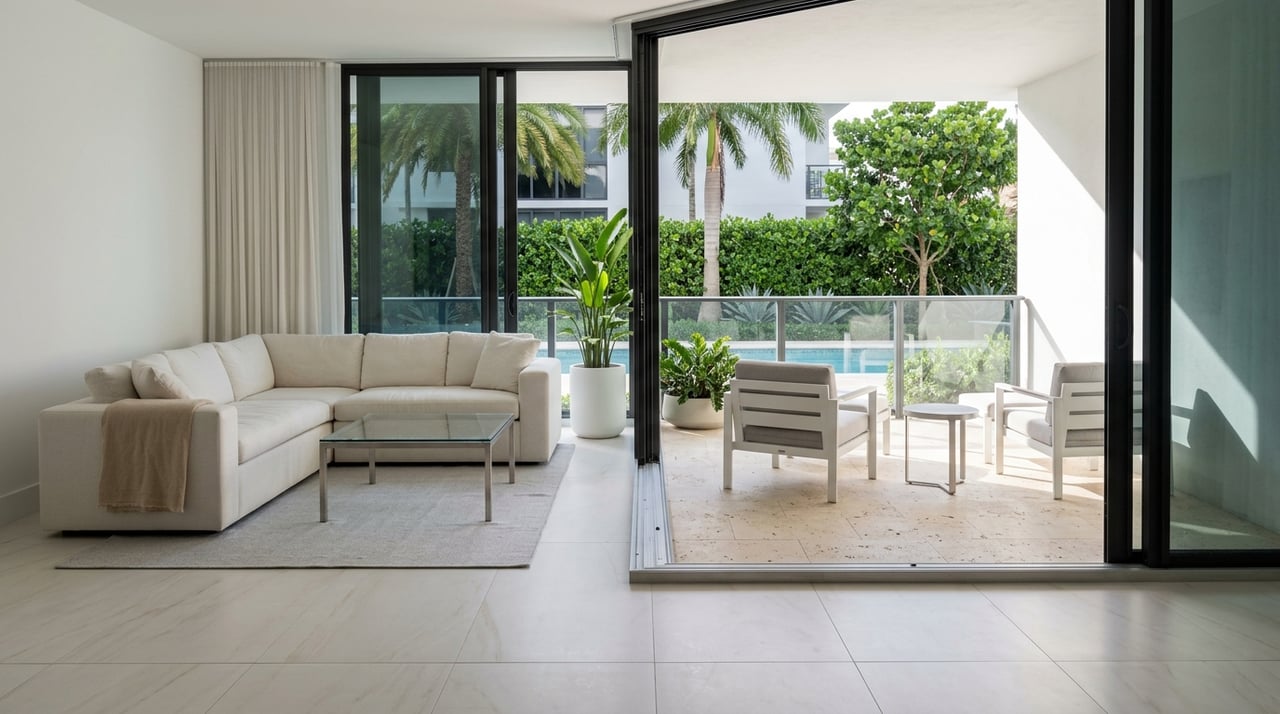
If you plan to rent out your Key Biscayne condo for the season, preparation goes far beyond fresh linens and a few stylish upgrades. You need to think about village rules, condo association restrictions, written lease terms, safety standards, and day-to-day operations before a tenant ever arrives. When you get those details right, you can help protect your property, reduce friction, and create a smoother experience for everyone involved. Let’s dive in.
Start With Key Biscayne Rental Rules
Before you market your condo, confirm that your rental plan fits Key Biscayne’s local requirements. The village allows vacation rentals only if state law permits them, requires a Business Tax Receipt, and sets a 15 continuous day minimum stay.
That minimum matters for seasonal owners. If you were considering shorter stays, Key Biscayne’s code says no, and your condo building may set even tighter rules than the village does.
Check Your Condo Documents First
In Key Biscayne, condo rules can be just as important as local law. The village ordinance says it does not override private land use or rental restrictions in multifamily buildings, which means your declaration, bylaws, or board rules may be stricter than the 15-day minimum.
Florida condominium law also requires owners, tenants, invitees, and associations to comply with the condominium documents and related rules. In practice, that means your association can enforce lease requirements and may levy fines or suspend use rights when violations occur.
Use a Written Lease Every Time
Key Biscayne requires leases or occupancy agreements to be written. Those agreements must include the village restrictions and must be available for village inspection.
For seasonal rentals, a clear written lease is not just a formality. It sets expectations early and gives you a better framework for handling approval steps, building policies, and tenant responsibilities.
Build Your Lease Packet Around Real-Life Use
A strong seasonal rental packet should make daily living in the condo easy to understand. This is especially important in a building with shared spaces, parking controls, elevators, and amenity rules.
Your lease packet should clearly explain the rules that affect how the tenant will use the property. The goal is to prevent confusion before move-in, not solve avoidable issues after the fact.
Include Building and Occupancy Rules
Useful lease language for a Key Biscayne seasonal rental often covers:
- Parking instructions
- Guest limits
- Noise expectations
- Trash and recycling procedures
- Amenity access rules
- Pet policies
- Smoking rules
- Package delivery procedures
- Maintenance entry expectations
- Check-out procedures
- Elevator reservations or move-in scheduling
If your association requires rental applications, approvals, move-in fees, or proof of insurance, disclose that before booking and repeat it in the lease packet. That kind of upfront clarity can save you time and help avoid last-minute surprises.
Keep the Language Clear and Neutral
Your lease and house rules should be easy to follow and should not conflict with fair housing, anti-discrimination, or disability protections. If there are building-specific access limitations or logistical rules, state them clearly and factually.
This is one area where simple wording helps. When tenants understand the rules in plain language, they are more likely to follow them.
Prepare the Condo for Safety and Cleanliness
A seasonal condo should feel move-in ready, but it also needs to meet basic cleanliness and safety expectations. Florida’s DBPR guidance for licensed vacation rentals expects units to be clean, safe, and in good physical condition.
That means your setup should support reliable turnovers, not just a good first impression. Think of the condo as a property that must function well repeatedly, not as an occasionally used second home.
Focus on Essential Readiness
If you provide bedding and linens, they must be clean, unworn, properly stored, and changed between guests or weekly, whichever comes first. If you provide dishes and glassware, they must be sanitized between guests.
Smoke detectors should also be installed. Depending on the building and unit, there may be separate condo-specific fire or safety requirements, so it is wise to verify any building inspection or compliance steps before the tenant arrives.
Furnish for Durability and Ease
For seasonal tenants in Key Biscayne, practical furnishing choices often work better than highly delicate ones. Durable, easy-to-clean furniture, strong Wi-Fi, good lighting, ample storage, and a fully stocked kitchen are usually more useful than decorative extras.
Seasonal renters often expect a true move-in-ready residence. If the condo feels thoughtfully equipped for everyday living, you are more likely to create a smoother tenancy and reduce mid-stay requests.
Add Hurricane Readiness to Your Setup
In a coastal condo market like Key Biscayne, storm preparation should be part of your rental plan from the start. Florida law requires condominium boards to adopt hurricane protection specifications for each building, and boards may require protection that meets or exceeds the building code.
That makes hurricane readiness more than a nice-to-have. It should be built into how you prepare the unit and how you communicate with tenants.
Create a Simple Storm Guide
Your seasonal rental binder should explain:
- How shutters or impact protection systems work
- Where emergency shutoffs are located
- Who the local contact is if a storm is approaching
- What the tenant should do if the building issues instructions
A concise guide can reduce stress during storm season. It also helps tenants understand that the condo operates within building-wide procedures, not just unit-level preferences.
Plan for Tax and Licensing Compliance
Many owners focus first on marketing and furnishing, but compliance often determines whether a seasonal rental runs smoothly. In Key Biscayne, that includes local rules, licensing expectations, and county tax obligations.
Miami-Dade provides helpful context here. The county defines short-term vacation rentals as stays of less than 30 days or one calendar month, whichever is less, and it says owners should check municipal rules when the property is inside a municipality like Key Biscayne.
Understand the Six-Month Tax Trigger
According to the Miami-Dade tax collector, rentals of six months or less must register for a Tourist Tax Account to collect and remit Convention and Tourist taxes. That means many seasonal leases have a tax compliance layer even if you work with a property manager or rental agent.
If you use a platform to market the condo, verify whether the platform is registered to collect and remit applicable taxes. Even when another party is involved, the owner remains responsible for compliance.
Keep Licensing Visible and Current
DBPR’s vacation rental guidance also contemplates ongoing account tracking by rental unit address and says current licenses must be displayed on the premises. Combined with cleanliness and safety standards, this reinforces an important point: seasonal renting is an operating business, not just a passive arrangement.
For many owners, the best preparation is to create a repeatable compliance process before the first tenant arrives. That can make each turnover easier and more consistent.
Set Up Turnovers and Local Support
A well-prepared condo still needs active management between stays. Seasonal rentals can require pre-arrival cleaning, post-stay inspections, key or fob control, maintenance coordination, and emergency response.
This is where many preventable issues show up. If no one is available locally to handle access, building coordination, or urgent repairs, even a beautifully prepared condo can become difficult to manage.
Why Local Oversight Matters
In Key Biscayne, local oversight can be especially valuable when a building has:
- Strict move-in or elevator rules
- Parking controls
- Amenity access procedures
- Hurricane protocols
- Frequent seasonal turnovers
Having someone who understands the building’s logistics can help reduce delays and keep the tenant experience smoother. It can also help protect your relationship with the association and building staff.
Think of Preparation as a System
The most successful seasonal rentals in Key Biscayne are usually the ones prepared as a system, not as a quick furnishing project. Local code, condo restrictions, written lease terms, safety standards, hurricane planning, tax registration, and turnover logistics all work together.
When you approach the process that way, you are more likely to avoid costly missteps and create a better experience for both you and your tenant. If you are evaluating whether your condo is truly ready for the seasonal market, working with a local advisor can help you spot issues early and plan with more confidence.
If you are preparing to rent, sell, or evaluate a condo in Key Biscayne, Maruja Lina Gil, PA offers thoughtful, data-driven guidance tailored to South Florida’s coastal condo market.
FAQs
Can you rent a Key Biscayne condo for less than 15 days?
- No. Key Biscayne’s code sets a minimum rental period of 15 continuous days, and your condo association may have stricter rules.
Can a Key Biscayne condo association restrict seasonal rentals?
- Yes. Private condo declarations, bylaws, and board rules can be more restrictive than village rules, and those private restrictions still apply.
Does a Key Biscayne seasonal rental need a written lease?
- Yes. Key Biscayne requires leases or occupancy agreements to be written, to include village restrictions, and to be available for inspection.
Do Key Biscayne condo owners need to plan for tourist taxes?
- For rentals of six months or less, Miami-Dade says owners must register for a Tourist Tax Account to collect and remit applicable taxes.
What should a Key Biscayne seasonal rental packet include?
- A useful packet should cover building rules, parking, guest policies, noise, trash, amenity access, maintenance entry, move-in procedures, and storm-related instructions.
How should you furnish a Key Biscayne condo for seasonal tenants?
- Focus on a clean, safe, durable, move-in-ready setup with strong Wi-Fi, good lighting, ample storage, a stocked kitchen, and properly maintained linens and household items.