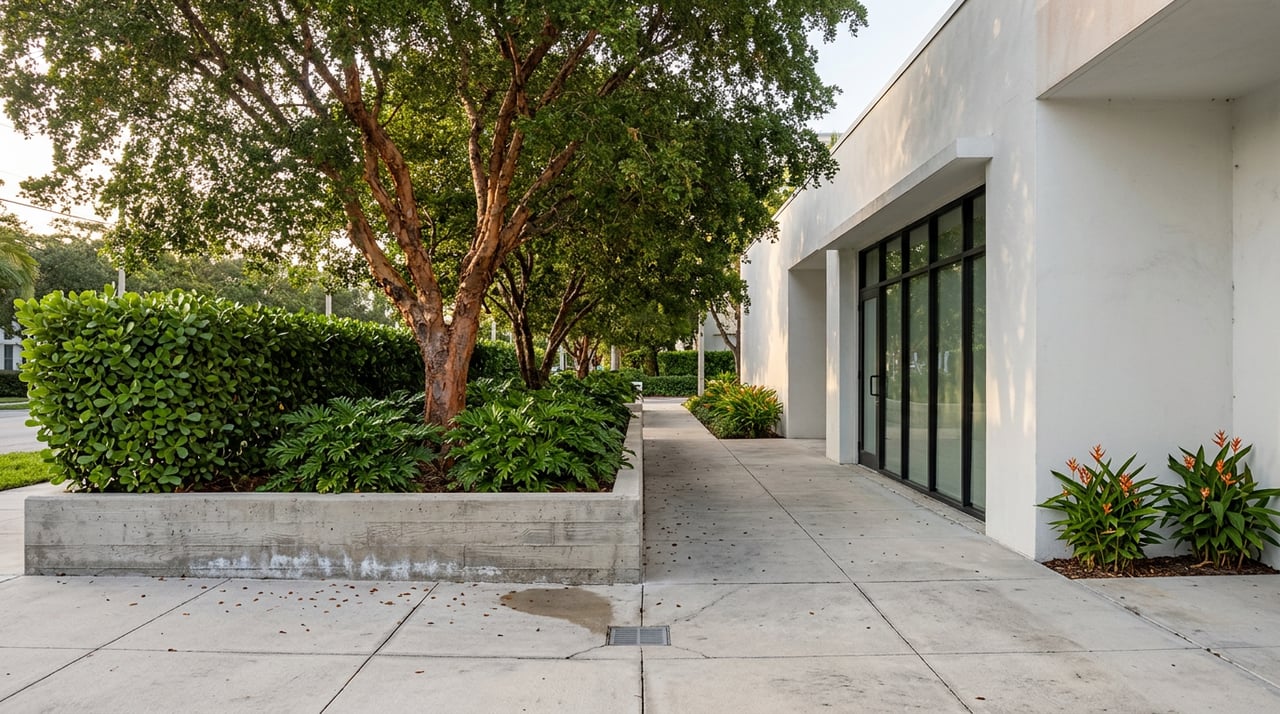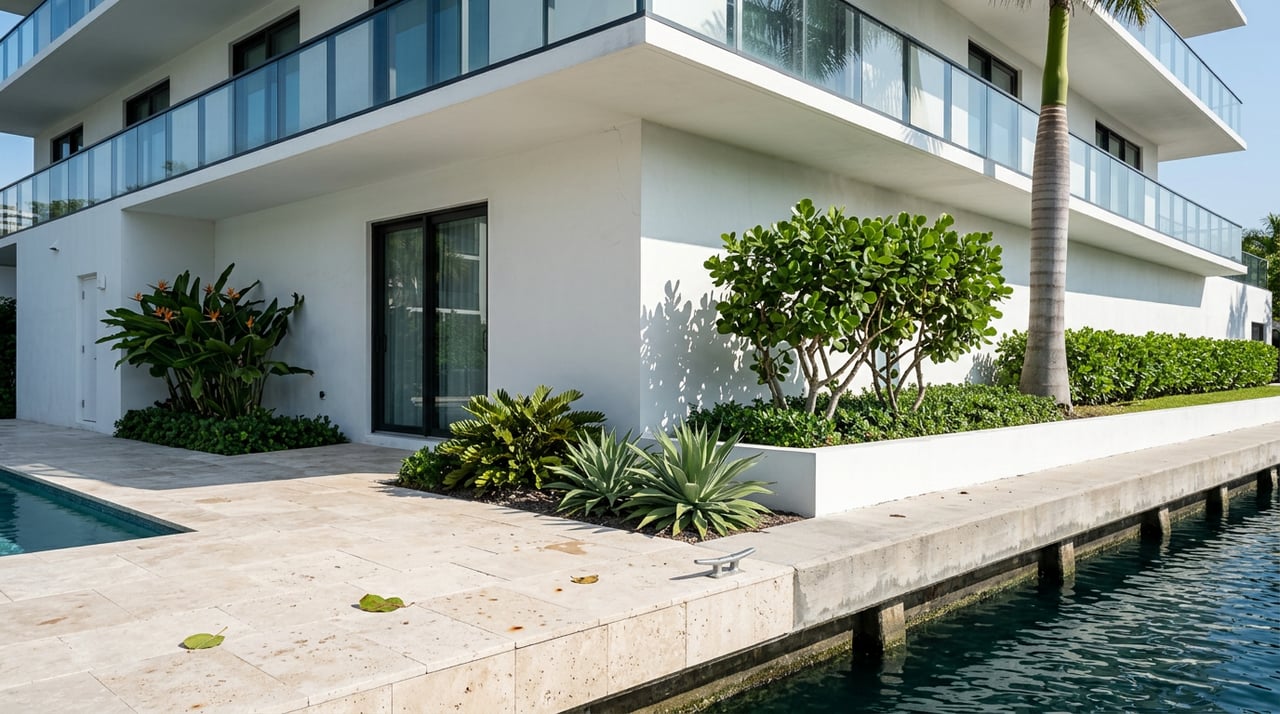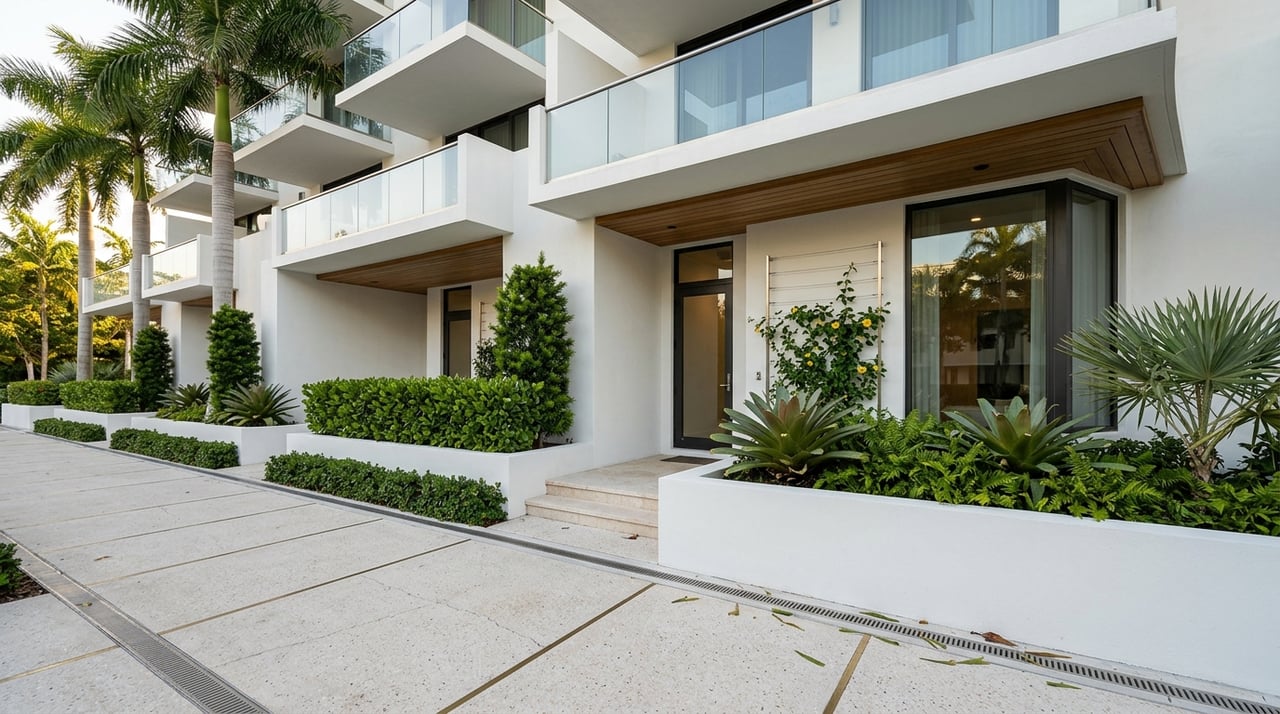
If you are deciding between a house and a condo in Key Biscayne, the choice is about far more than style. On this island, the gap in price, ownership costs, and day-to-day responsibility can be significant, and what works for one buyer may not fit another. This guide will help you compare the real tradeoffs so you can match your purchase to your lifestyle, budget, and long-term plans. Let’s dive in.
Key Biscayne Market Snapshot
Key Biscayne’s housing market shows a sharp split between detached homes and condos. According to MIAMI Realtors Q1 2026 zip-code data, 10 single-family homes closed at a median price of $4.16 million, while 48 condo and townhome sales closed at a median price of $1.197 million.
That means the median house sold for about 3.5 times the median condo-townhome price, with a difference of roughly $2.963 million. Cash purchases were also common in both segments, accounting for 60% of single-family sales and 62.5% of condo and townhome sales.
For many buyers, that price spread shapes the conversation right away. But on Key Biscayne, the decision is not only about entry price. It is also about how you want to live, what costs you want to manage directly, and how much flexibility you need.
Why the Choice Matters on Key Biscayne
Key Biscayne already offers broad island amenities, including parks, beaches, and the community center. Because those shared lifestyle benefits are part of the location itself, the house-versus-condo question is usually less about access to the area and more about ownership style.
In simple terms, you are choosing between more direct control and privacy with a house, or more shared management and building structure with a condo. Both can support a full-time residence, a seasonal property, or a long-term hold, but each comes with a different level of responsibility.
Why Buyers Choose Houses
A single-family house often appeals to buyers who want privacy and control. You are not sharing walls, elevators, or common areas in the same way you would in a condo building, and that can make a major difference if personal space matters to you.
A house also gives you more direct authority over the property itself. If you want to decide how maintenance is handled, when repairs are made, and how the home is managed over time, that independence can be a strong advantage.
That said, more control also means more responsibility. As the owner, you are generally responsible for repairs, maintenance, property taxes, homeowner’s insurance, flood insurance, utilities, and setting aside reserves for unexpected costs.
Some houses may still be part of an HOA or community association, so owning a house does not always mean you avoid dues completely. It is important to review any community obligations early so your monthly budget reflects the full picture.
House Buyers May Be a Good Fit If
- You want more privacy
- You prefer direct control over repairs and upkeep
- You are comfortable budgeting for maintenance and insurance
- You want to avoid relying on building-wide decisions for major property issues
Why Buyers Choose Condos
A condo can be a strong fit if you want a lock-and-leave lifestyle. Many buyers value having shared property responsibilities handled through the association, especially if they do not want to manage every exterior repair or building system personally.
Condo ownership usually includes association dues that are paid separately from the mortgage. Those dues may cover shared expenses such as roofs, driveways, and common structures, though the exact services and amenities vary by building.
That setup can reduce some day-to-day ownership chores, but it also means less direct control. Your experience will depend in part on how the association manages the property, budgets for repairs, and plans for long-term maintenance.
For buyers comparing a house to a condo, this is often the key tradeoff. You may take on less individual maintenance with a condo, but you accept shared governance, monthly dues, and building-level financial risk.
Condo Buyers May Be a Good Fit If
- You want fewer day-to-day maintenance tasks
- You value shared services and amenities
- You are comfortable reviewing association budgets and rules
- You prefer a property that may be easier to leave seasonally
Compare the True Monthly Cost
On Key Biscayne, purchase price tells only part of the story. Your total monthly housing cost can include mortgage payments, property taxes, insurance, flood insurance, HOA fees, and ongoing maintenance.
That matters even more in a coastal market. Buyers should stress-test wind and flood coverage assumptions along with routine ownership costs, rather than focusing only on the sales price.
For houses, the unknowns often come from repairs, insurance, and long-term upkeep. For condos, the pressure points may be monthly dues, reserve contributions, and special assessments.
A lower purchase price does not always mean a lower-risk ownership profile. The right question is whether the total cost structure fits your plans over the next several years.
Condo Diligence Matters More Than Ever
If you are considering a condo in Key Biscayne, building condition and association finances deserve close attention. Florida law requires milestone inspections for certain buildings that are three habitable stories or more and subject to condo or cooperative ownership when they reach 30 years of age, and every 10 years after that.
Local enforcement agencies may require earlier inspections at 25 years in areas where saltwater proximity or other local conditions justify it. Single-family, two-family, three-family, and four-family dwellings with three or fewer habitable stories above ground are excluded from this milestone-inspection requirement.
Florida law also requires structural integrity reserve studies for qualifying associations. For many associations existing on or before July 1, 2022 and controlled by unit owners other than the developer, that study had to be completed by December 31, 2025, and in some cases may be completed alongside a required milestone inspection by the end of 2026.
For buyers, these rules can affect ownership costs in a very real way. They may lead to higher dues, larger reserve funding needs, or special assessments, especially in older buildings.
Condo Documents to Review Before You Commit
If you are buying a condo, Florida law requires sellers to provide important association documents. These may include:
- The association budget
- Bylaws and rules
- The milestone inspection summary, if applicable
- The latest structural integrity reserve study, if applicable
These materials are not just paperwork. They help you understand how the building is managed, whether major work may be coming, and how future costs could affect your budget.
Rental Plans Need Extra Review
If you may rent the property at any point, you should treat rental rules as a core part of your decision. In Miami-Dade, a short-term vacation rental is defined as a dwelling rented for less than 30 days or one calendar month, and municipal properties must follow their own local rules.
The county also requires state licensing, Florida Department of Revenue registration, and a Tourist Tax Account for qualifying vacation rentals. That means rental compliance is not automatic, even before you look at building or village-level restrictions.
Key Biscayne appears to be stricter than the county baseline. Reporting in August 2024 noted enforcement of a village ordinance that prohibits rentals of less than 15 days and requires owners to register as businesses and comply with safety measures.
If you hope to offset carrying costs with occasional rentals, you should verify village rules and building rules before making an offer. A strategy that looks good on paper may not work for a specific property.
Condos Add Another Layer of Rental Rules
With a condo, you also need to confirm association policies. Miami-Dade requires owners to notify the HOA or condo or cooperative association and follow its policies and regulations for vacation rentals.
So even if a rental plan appears to work under county or village rules, the building itself may limit or prohibit that use. This is one reason condo buyers should review governing documents early.
Homestead and Rental Activity
If the property is or may become your primary residence, rental activity can affect tax treatment. Florida Revenue says a property can keep a homestead exemption after January 1 of a year following short-term rental activity only if it is not rented for more than 30 days per calendar year for two consecutive years.
For buyers who plan to split personal use and rental use, that rule is worth understanding upfront. It can influence how you structure ownership and future use.
A Simple Way to Choose
When clients compare Key Biscayne houses and condos, the best answer usually comes from matching the property type to real-life priorities.
Lean toward a house if you want the highest level of privacy, direct control, and self-managed ownership, and you are comfortable budgeting for repairs, insurance, and storm readiness.
Lean toward a condo if you want easier day-to-day ownership, shared services, and a property that may feel more convenient for seasonal use, and you are comfortable reviewing association finances and rules in detail.
Pause and investigate further if rental income is part of your plan. On Key Biscayne, rental restrictions, association policies, and tax implications can change what is practical.
A well-chosen property should support how you actually plan to use it, not just how it looks during a showing. That is especially true in a market where houses and condos can serve very different financial and lifestyle goals.
If you want clear, data-driven guidance on comparing Key Biscayne homes and condos, Maruja Lina Gil, PA can help you evaluate pricing, carrying costs, building documents, and long-term fit with the care of a true local advisor.
FAQs
What is the price difference between Key Biscayne houses and condos?
- In MIAMI Realtors Q1 2026 data, the median single-family home sale price was $4.16 million, while the median condo and townhome sale price was $1.197 million.
What are the main benefits of buying a house in Key Biscayne?
- A house may offer more privacy, more direct control over the property, and fewer shared spaces, but you are generally responsible for maintenance, repairs, insurance, and budgeting for long-term upkeep.
What are the main benefits of buying a condo in Key Biscayne?
- A condo may suit buyers who want a more lock-and-leave lifestyle and shared maintenance through the association, though that comes with dues, building rules, and less direct control.
What condo documents should Key Biscayne buyers review?
- Buyers should review the association budget, bylaws and rules, and, when applicable, the milestone inspection summary and the latest structural integrity reserve study.
Can you rent out a Key Biscayne condo or house short term?
- Rental plans require careful review because Miami-Dade, the Village of Key Biscayne, and any condo association may each have rules that affect whether and how a property can be rented.
Do rental plans affect a Florida homestead exemption?
- Yes. Florida Revenue says a property can keep a homestead exemption after short-term rental activity only if it is not rented for more than 30 days per calendar year for two consecutive years.