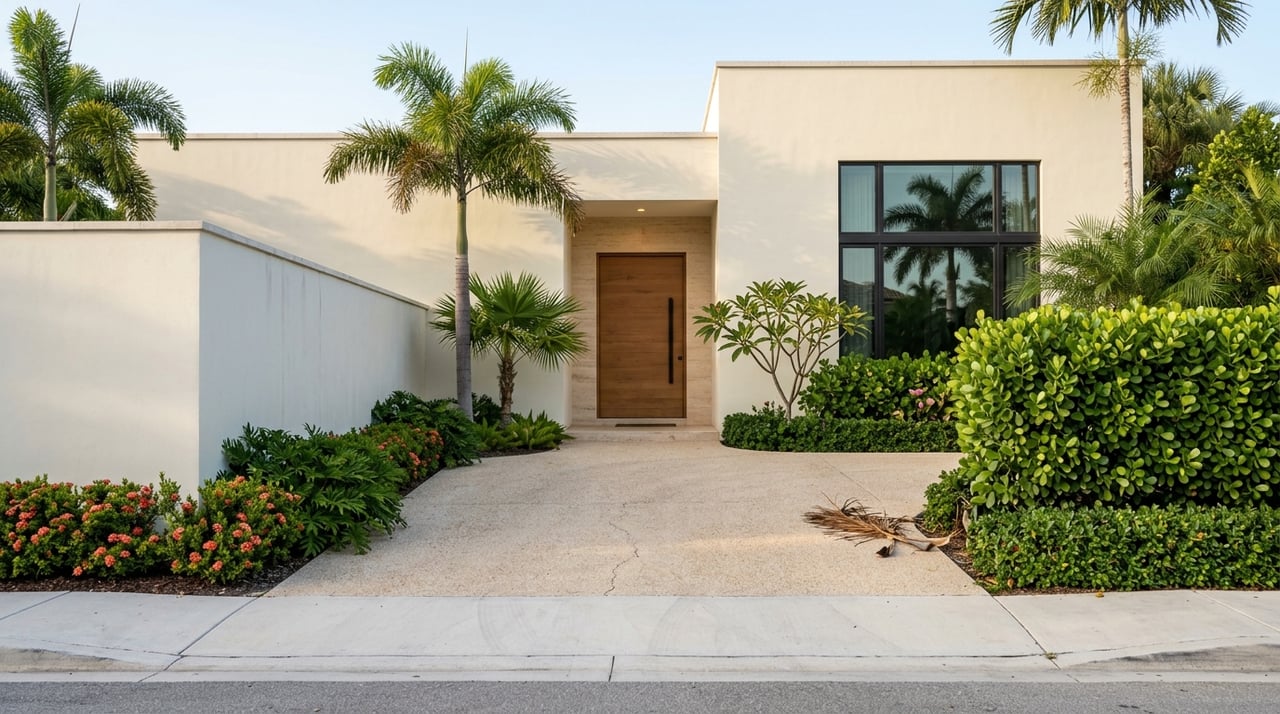
If you are comparing gated communities in Coral Gables, it is easy to get distracted by gates, glossy photos, and waterfront views. But the real differences often come down to how a community works day to day, what it costs to own there, and how much oversight comes with the lifestyle. If you want to make a smart decision with fewer surprises, this guide will help you evaluate Coral Gables gated communities with more clarity. Let’s dive in.
Why Coral Gables Needs a Different Lens
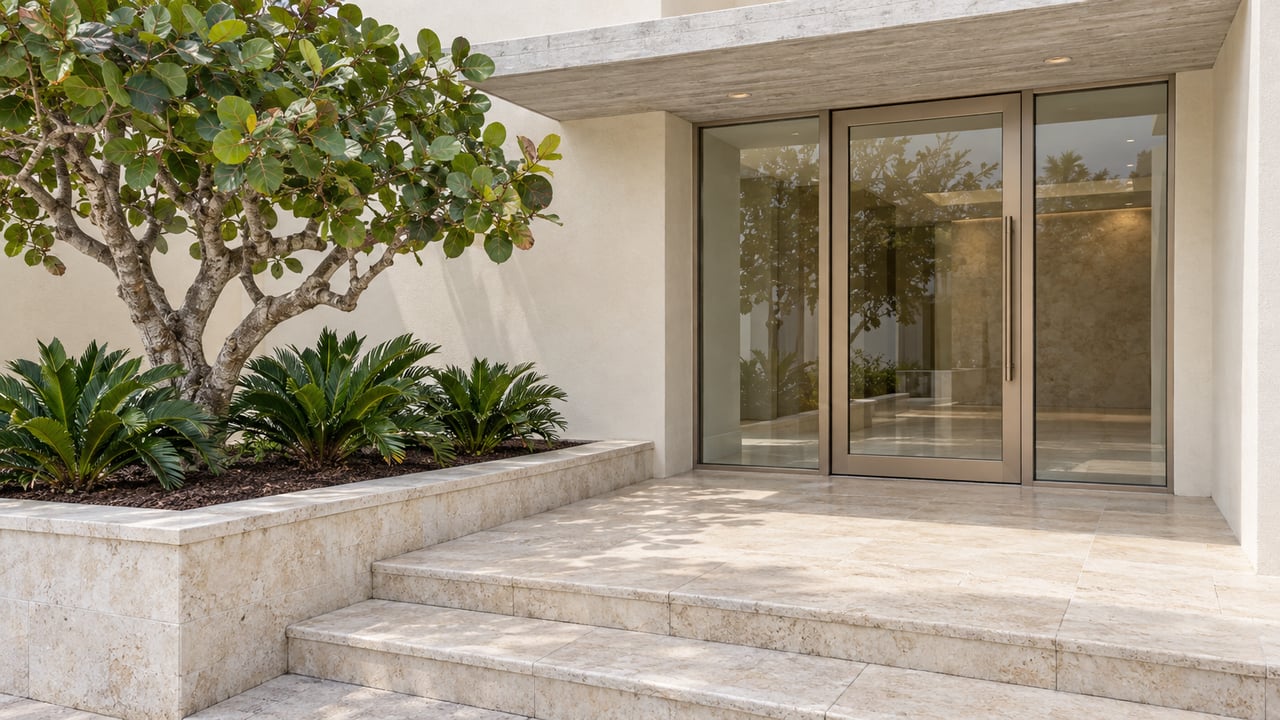
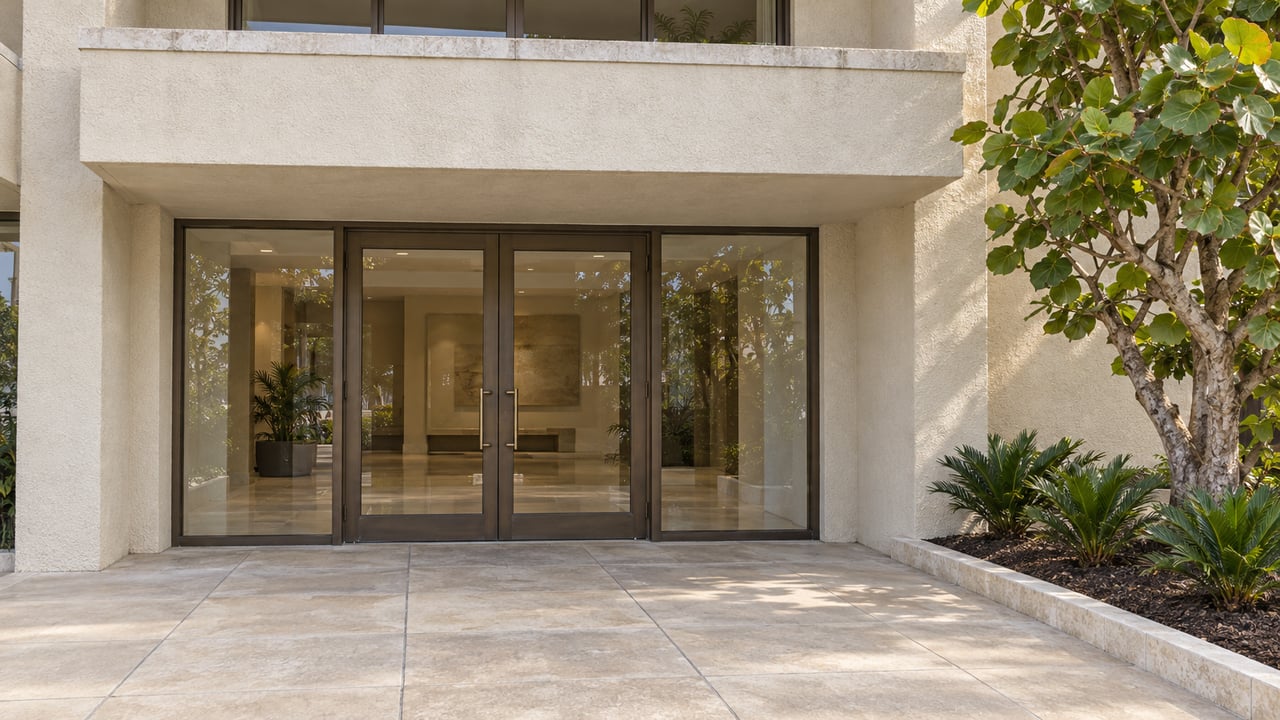
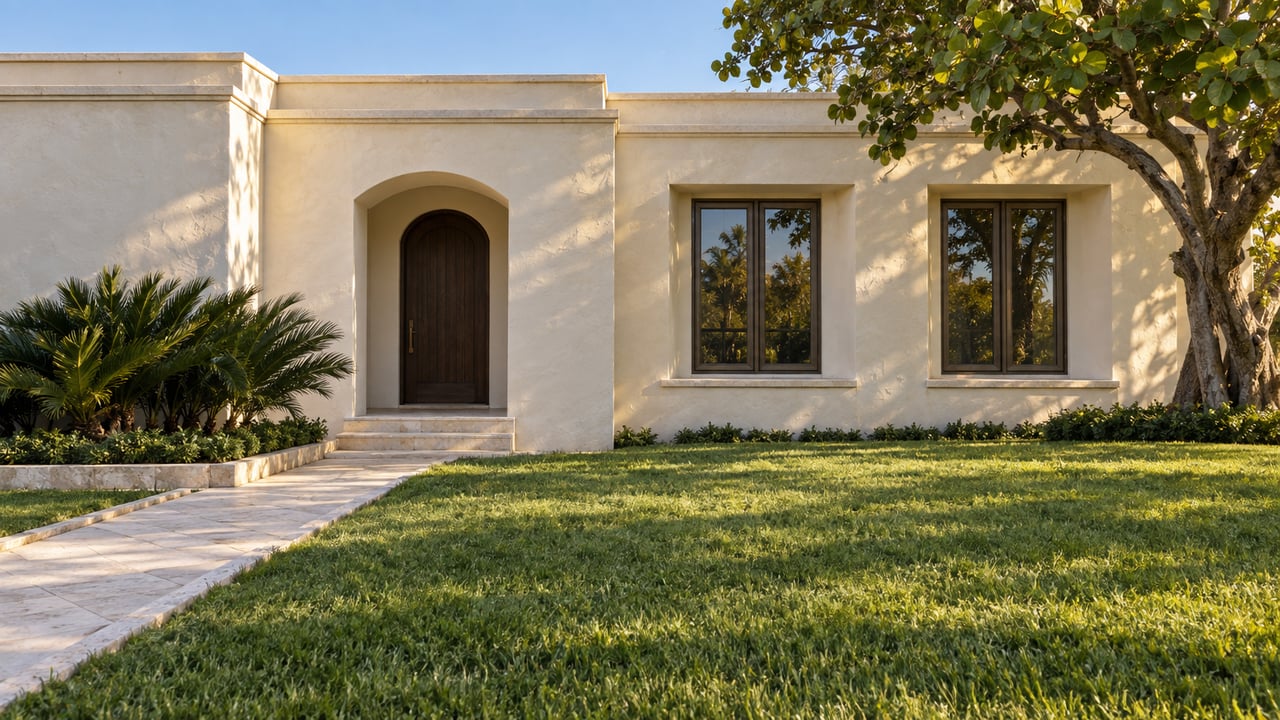
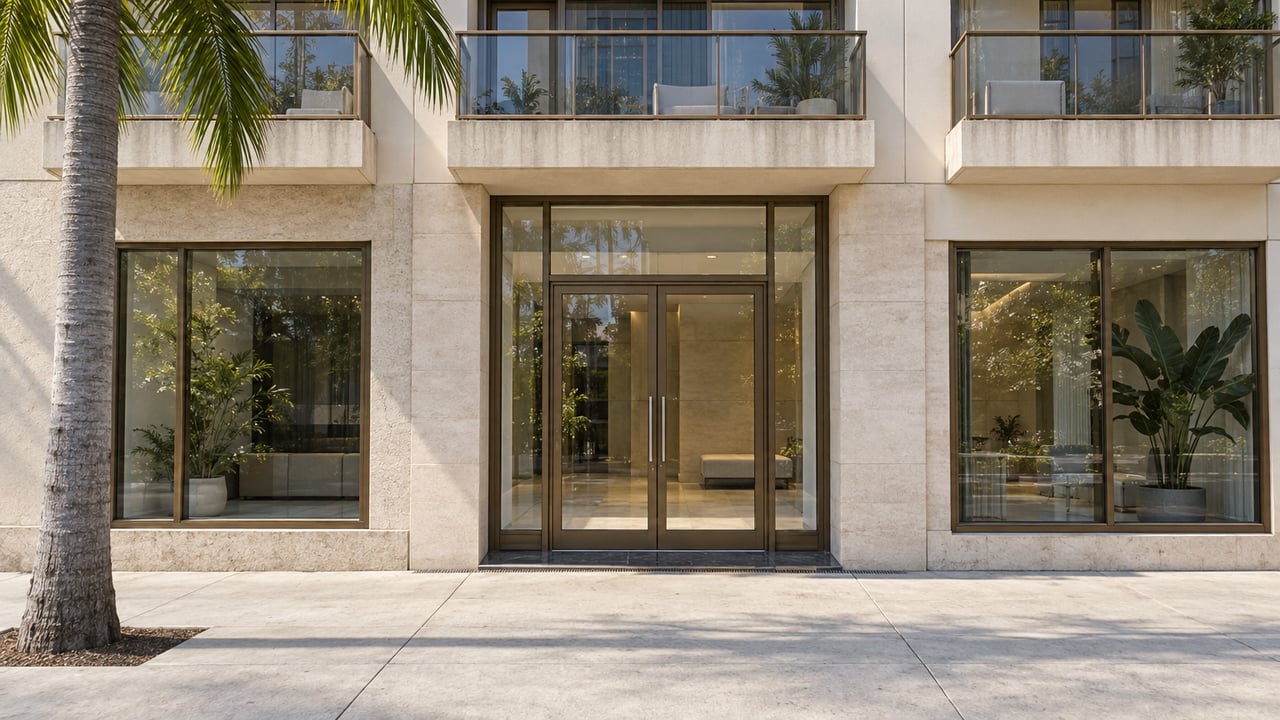
Coral Gables has a distinct identity shaped by its City Beautiful and Garden City roots. The city continues to protect that character through code-based Mediterranean architecture standards and review by the Board of Architects.
For you as a buyer, that means a gated community here is more than a privacy or security choice. It is also a design environment with rules, review processes, and long-term expectations about how homes and lots should look over time.
Start With Architecture and Community Character
Before you compare amenities or fees, look closely at the architectural setting. In Coral Gables, Mediterranean Revival, coral rock, and related design traditions are part of the city’s identity, so the feel of a community matters as much as the home itself.
Ask whether the property fits your preferences now and in the future. Some buyers want traditional Coral Gables character, while others prefer newer custom contemporary homes, but either way, exterior work may face city review.
Check Exterior Approval Rules
Coral Gables requires review for many residential exterior changes. Depending on the property and scope of work, that can affect roof tiles, additions, paving, pools, trees, and other visible updates.
In some gated communities, there is another layer of approval on top of the city’s process. Cocoplum’s HOA, for example, states that exterior paint and major renovations require both city and HOA approval, and landscape changes may also be reviewed.
Think About Long-Term Flexibility
A home may look perfect on the day you tour it, but your plans can change. If you think you may want to repaint, redesign the backyard, update hardscape, or make a major addition later, approval requirements should be part of your decision from the start.
This does not make one community better than another. It simply means you should compare how much design control you are comfortable with before you shortlist properties.
Compare Security, Not Just the Gate
A gated entrance can create a strong first impression, but buyers should separate three things: the gate itself, the staffing model, and the broader community setup. Two neighborhoods may both be gated while offering very different levels of service and structure.
That is especially true in Coral Gables, where security can be managed in different ways depending on the neighborhood.
Cocoplum as a Full-Service Benchmark
Islands of Cocoplum is a useful benchmark if you want a gated waterfront estate community with a broad amenity package. The association states that the community includes 302 homes, 172 waterfront residences, a gated entrance, 24-hour security, and resident-only amenities such as a clubhouse, tennis center, gym, pool, yacht club, volleyball, basketball, playground, and sports field.
The HOA fee there covers 24-hour security, common-area landscaping, amenities, and maintenance of common areas. If you are comparing communities, that gives you a clear example of a more structured, amenity-rich model.
Gables by the Sea as a Different Model
Gables by the Sea offers another useful comparison point. It is a gated waterfront community off Old Cutler Road with canals leading to Biscayne Bay, but its setup differs from a resort-style club community.
Miami-Dade County records show that the Gables by the Sea-Coral Gables security district provides unarmed guards from two guardhouses 24 hours a day, 365 days a year. For some buyers, that quieter model may be a better lifestyle fit than a larger amenity stack.
Understand the Full Cost Structure
One of the biggest mistakes buyers make is comparing monthly costs too quickly. In Coral Gables gated communities, your carrying cost may include more than one layer.
You may be looking at regular HOA dues, optional club-related costs, and special district assessments. These should be reviewed together, not in isolation.
Ask for the Fee Stack
Before you treat two communities as equals, request a full picture of current costs. A strong comparison should include:
- Regular HOA dues
- What those dues cover
- Any optional club dues or membership limitations
- Current budget information
- Reserve information
- Transfer fees
- Any special district assessment history
In Cocoplum, the HOA fee covers security, landscaping, amenities, and common-area maintenance. In other communities, security may be funded differently.
Know How Special Assessments Work
Miami-Dade explains that special assessment districts can fund services and improvements such as security guards, guardhouses, street lighting, landscaping, and water or sewer-related improvements. These charges are billed as non-ad valorem assessments on the annual property tax bill.
That matters when you compare neighborhoods like Gables by the Sea with communities that rely more directly on HOA structures. A lower HOA fee does not always mean a lower total cost of ownership.
Evaluate Amenities With Real Use in Mind
Amenities can add value, but only if they match how you actually live. It helps to move past the brochure language and ask what you will use consistently.
For example, Cocoplum includes a broad resident-only amenity mix. That may appeal to buyers who want a more club-style daily experience and are comfortable paying for it through the association structure.
Confirm Access and Limits
Do not assume every amenity is automatically available with every home. In Cocoplum, buyers should verify whether a property has access to the private club, because membership is limited to Islands of Cocoplum and Tahiti Beach.
That kind of detail matters. When evaluating a gated community, ask which amenities are included, which are resident-only, and whether access depends on location, membership, or separate rules.
Measure Lifestyle Fit Beyond the Entrance
A gated community should support your everyday routine, not just your sense of privacy. Coral Gables offers more than 60 parks and open spaces, along with daily destinations that shape how residents use the city.
Miracle Mile serves as the city’s main street in the central business district. Shops at Merrick Park offers restaurants, boutiques, department stores, a movie theater, and a gym. Matheson Hammock Park & Marina adds trails, a marina, a restaurant, and a natural waterfront setting in south Coral Gables.
Compare Daily Convenience
As you evaluate communities, think about where you spend your time. A neighborhood may be beautiful on paper, but your experience will also depend on how easily you can reach the places that matter most to you.
You may want quick access to parks, marina activity, golf, shopping, or cultural destinations. The right choice is often the one that fits your weekly habits best, not the one with the longest amenity list.
Consider Golf-Adjacent Living
For buyers who want golf to be part of daily life, Coral Gables includes the Biltmore and Granada Golf Courses, both with pro shops and membership-related services. If you are considering golf-adjacent homes, evaluate more than the view.
You should also think about club access and how the golf setting may affect maintenance, noise, and your daily routine. Those practical details often matter more over time than the marketing appeal of a golf backdrop.
Do Extra Due Diligence on Waterfront Homes
Waterfront living is a major draw in Coral Gables, but it comes with added questions. The city states that it is particularly susceptible to flooding from major rain events and storm surges because it sits near sea level and is surrounded by bodies of water.
That does not mean you should avoid waterfront property. It means you should evaluate risk and convenience with the same care you give design and pricing.
Review Flood and Shoreline Factors
Coral Gables maintains sea-level-rise and storm-surge mapping tools, along with flood-insurance resources. The city also notes that shoreline buffer zones help with erosion control, stormwater management, and flood mitigation.
If you are comparing waterfront homes, ask about drainage, shoreline condition, and how the lot handles heavy rain and water exposure. These are not side issues in a canal-front market.
Check Boat Access Details
If you keep a boat or plan to, canal access needs careful review. The city posts bridge-clearance data for waterways, which can affect how practical a property is for your vessel and route preferences.
You should also look at seawalls, dock setup, and the overall boating path to Biscayne Bay. A home can be waterfront and still function very differently from another waterfront property nearby.
Use a Simple Shortlist Framework
When you narrow your options, focus on five points that make comparisons easier and more objective. This helps you look past marketing language and judge each community on how it will actually perform for you.
Use this checklist:
- Security model: Is security private, association-run, or funded through a special district?
- Fee stack: Which costs are mandatory, and which are optional?
- Approval burden: What exterior changes need city or HOA approval?
- Amenity scope: Which amenities are included, and who can use them?
- Risk profile: How do flood exposure, drainage, and boat access affect ownership?
If you can answer those five questions clearly, you will be in a much stronger position to compare Coral Gables gated communities on lifestyle, cost, and convenience.
If you want guidance tailored to your goals, whether you are focused on waterfront living, gated privacy, or long-term value in Coral Gables, Maruja Lina Gil, PA offers a consultative, data-driven approach to help you evaluate each option with confidence.
FAQs
What should you compare first in Coral Gables gated communities?
- Start with the community’s architecture, exterior approval rules, security model, fee structure, amenity access, and waterfront risk if applicable.
How do Coral Gables design rules affect gated community homes?
- Many exterior residential changes in Coral Gables require city review, and some gated communities may also require HOA approval for items like paint, landscaping, and major renovations.
What costs should you review in a Coral Gables gated community?
- Review HOA dues, what those dues cover, any optional club costs, reserve information, transfer fees, and any non-ad valorem special assessments that may appear on the annual property tax bill.
How is security handled in Coral Gables gated neighborhoods?
- Security can vary by community, with some neighborhoods using association-based models and others using Miami-Dade special assessment districts that fund guardhouses and staffed entry points.
What should waterfront buyers ask about in Coral Gables?
- Ask about flood exposure, drainage, shoreline or seawall condition, storm-surge considerations, bridge clearances, and how practical boat access is from the property.
Are all amenities included with every Coral Gables gated home?
- Not always. Buyers should verify which amenities are included with a property and whether access depends on resident status, separate membership, or community-specific rules.