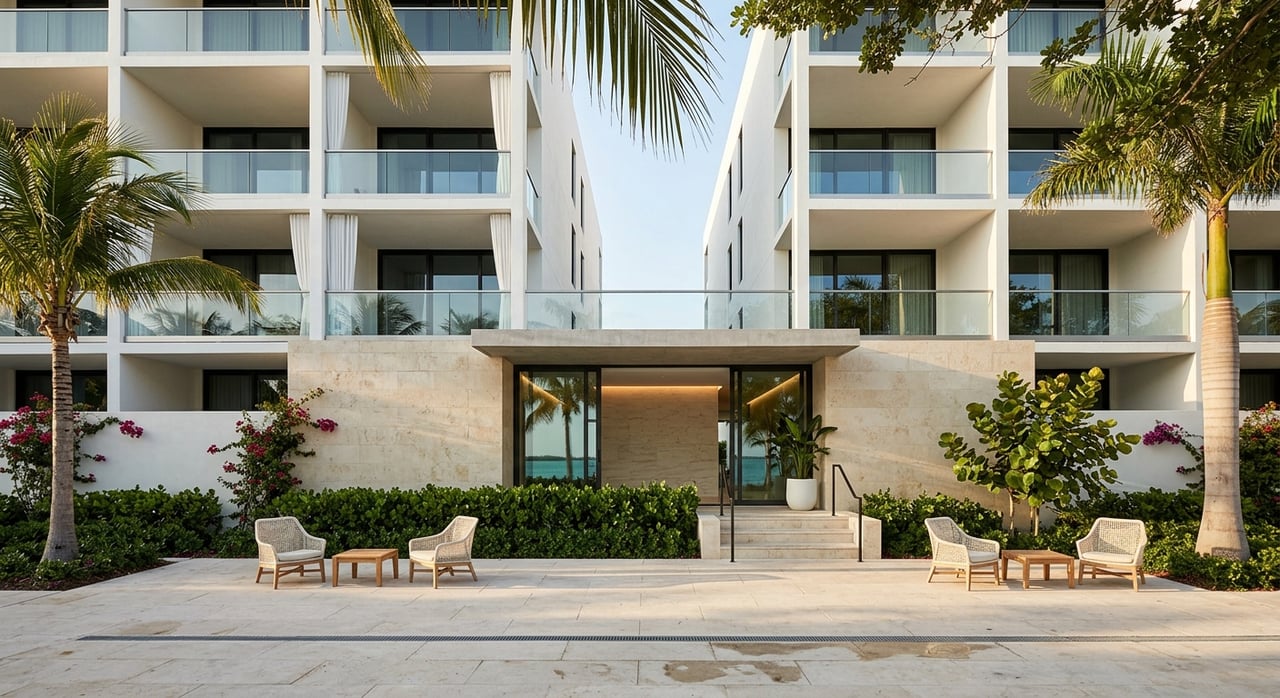
If you picture Miami waterfront living as a choice between a high-rise skyline and a beach strip, Coconut Grove offers a different path. Here, daily life often revolves around Biscayne Bay, marinas, shaded streets, parks, and a village core that feels active without feeling rushed. If you are wondering what it is really like to live near the water in the Grove, this guide will walk you through the routine, the lifestyle perks, and the housing character that make this area stand out. Let’s dive in.
Why waterfront living feels different here
Coconut Grove’s waterfront identity is closely tied to Biscayne Bay. City of Miami planning materials point to Dinner Key, the marina and mooring field, Peacock Park, Kennedy Park, the Coconut Grove Sailing Club site, and nearby public boat access as the heart of the waterfront.
That matters because the bay is not just a backdrop. It shapes how people move through the neighborhood, where they spend time outdoors, and how the area feels from morning to evening. The Barnacle Historic State Park also connects the Grove’s shoreline to its maritime roots, which helps explain why the neighborhood still feels tied to the water in an everyday way.
Daily life by Biscayne Bay
One of the biggest perks of Coconut Grove waterfront living is that the lifestyle can feel natural and repeatable. You are not relying on special occasions to enjoy the setting. The water, parks, and village core are part of a normal week.
A typical day may start with a walk or bike ride near the bay. Peacock Park and David T. Kennedy Park offer open space, bike paths, bike racks, playgrounds, dog areas, and waterfront access, which makes them easy to work into a morning or evening routine.
Later in the day, Dinner Key Marina adds another layer to local life. The marina has 587 wet slips and more than 250 moorings, along with amenities like parking, laundry, restrooms, a dinghy dock, shuttle service, and pump-out service. Even if you are not heading out on a boat, the marina atmosphere becomes part of the neighborhood rhythm.
Parks and outdoor perks
For many buyers, the real luxury in Coconut Grove is not only a view. It is having public waterfront spaces that support an active routine close to home. That can make the area feel more livable day to day.
Peacock Park and Kennedy Park help define that experience. Instead of treating the waterfront as something you only see from private property, Coconut Grove gives you multiple ways to enjoy the bay through public access, open green space, and outdoor recreation.
This setup also helps the neighborhood feel scenic and lived-in at the same time. You can spend time outside without making a full-day plan, which is a meaningful advantage if you value convenience as much as atmosphere.
Getting around the Grove
Coconut Grove’s core is known for being easy to navigate without constant car use. In the 33133 core, Walk Score reports a 94 and describes the area as a Walker’s Paradise, with daily errands possible without a car. It also places the Coconut Grove Metrorail station about a 15-minute walk away.
The City of Miami trolley serves Coconut Grove and connects riders to parks, shopping areas, and City Hall. In May 2026, the BID added an all-electric Circuit shuttle linking Peacock Park, CocoWalk, Regatta Harbour, and the Grove Metrorail station.
For you, that can translate into a simpler daily routine. Short trips may be handled on foot, by trolley, or by shuttle instead of requiring a full drive and parking plan. That is one reason the waterfront lifestyle here feels practical, not just picturesque.
Village core and social routine
Coconut Grove does not center its energy on a single beach corridor. Instead, much of its activity is concentrated in a village core that blends shops, dining, entertainment, and public gathering spaces.
CocoWalk remains one of the main social anchors. According to the Coconut Grove BID, it serves as the center of Coconut Grove with boutiques, eateries, bars, cafes, and a 13-screen movie theater. That kind of mix supports casual plans, quick meetups, and easy evening outings close to home.
Nearby destinations add to the neighborhood’s social rhythm. The area includes restaurants, cafes, and open-air waterfront gathering spots such as Regatta Grove, which combines food, music, and bay views. Altogether, the experience feels less like a resort zone and more like a neighborhood where people actually spend their time.
Markets, events, and local character
Another reason Coconut Grove often feels lively is its recurring local events. The BID calendar highlights a Saturday Organic Farmers Market, and community events regularly make use of parks and waterfront public spaces.
This creates a social calendar built around repeat local habits, not only nightlife. For buyers who want a neighborhood with activity but not a nonstop downtown pace, that balance can be especially appealing.
Tourism materials also describe Coconut Grove as Miami’s oldest neighborhood, known for a tropical setting, lush waterfront parks, tree-shaded streets, and a bohemian spirit. Those details help explain why the area can feel polished and established while still keeping a relaxed personality.
Housing near the waterfront
If you are considering a move here, one of the most important things to know is that Coconut Grove waterfront housing is not one-size-fits-all. The inventory is mixed, and the feel can change block by block.
City of Miami materials show a combination of homeowner associations and condo associations in Coconut Grove, including Bay Heights, North Grove, Coconut Grove Park, Village West, Yacht Harbour, Grove Isle, Abitare, The Cloisters on the Bay, and Two Park Grove. That official mix supports a broad housing landscape rather than a single dominant property type.
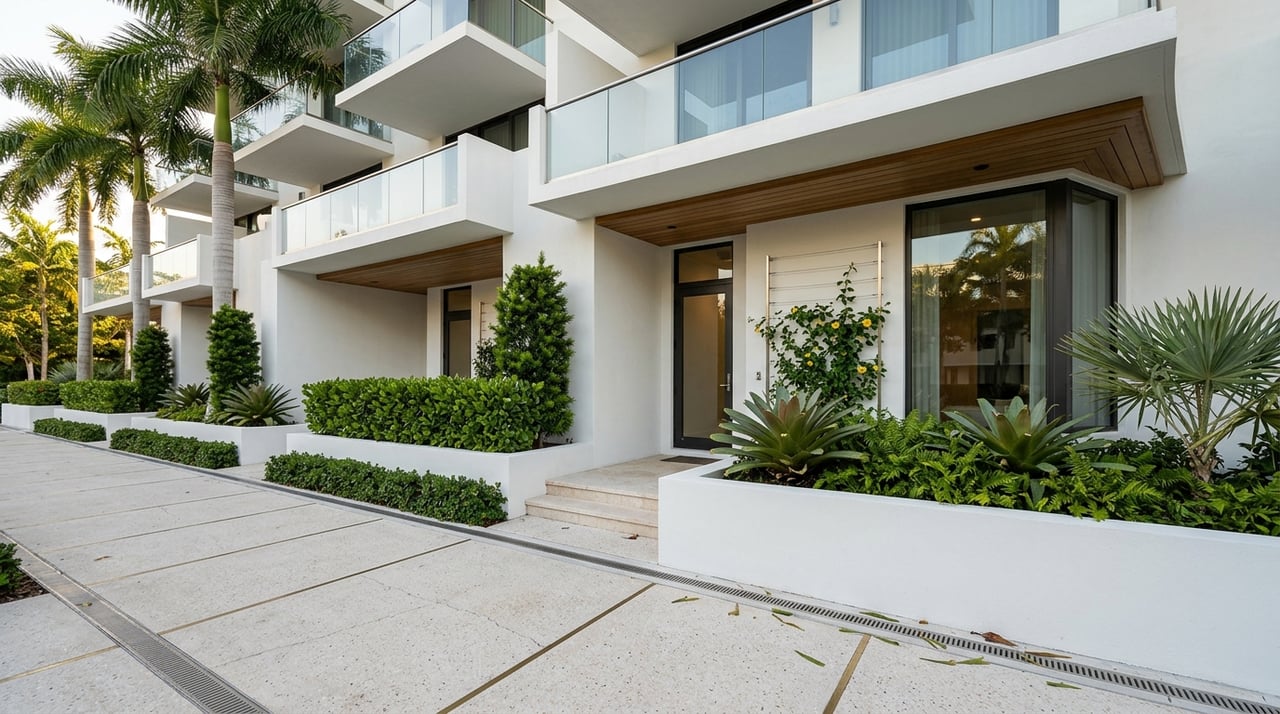
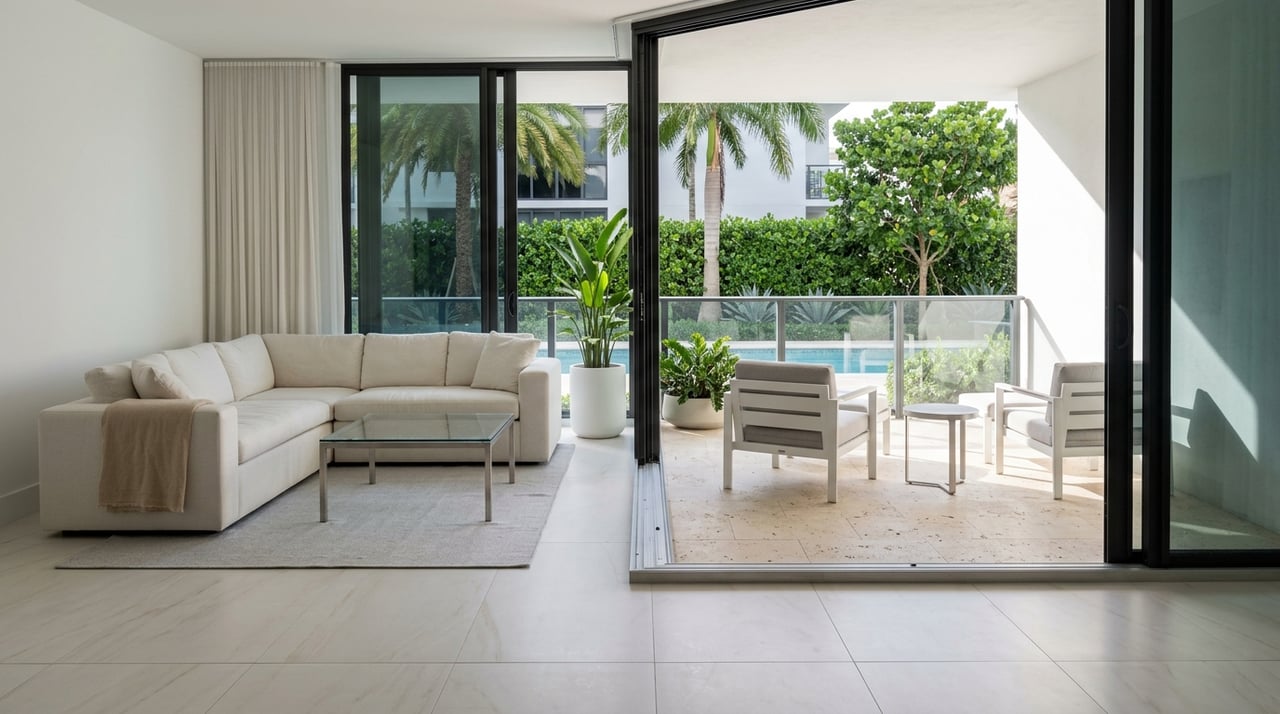
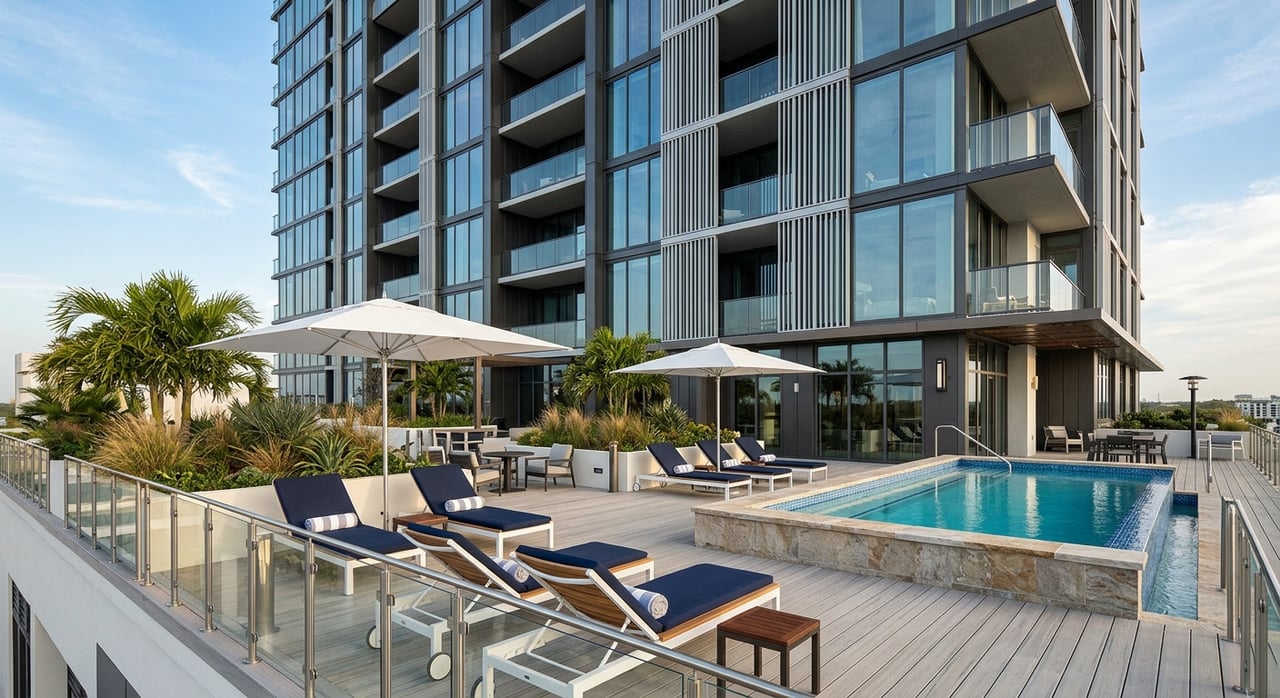
Near the bay, you are more likely to encounter marina-adjacent condos and bay-view buildings. On quieter inland streets, the area leans more toward homes and smaller association-managed pockets. For buyers, that means your lifestyle priorities matter a great deal when narrowing the search.
Why the built environment matters
Coconut Grove’s residential character is also shaped by conservation priorities. The City’s Neighborhood Conservation District materials say residents value historic legacy, architectural variety, cultural diversity, natural aesthetic, walkability, access to water, tree canopy, and housing affordability.
Those same materials note concerns around lot coverage, residential density, tree preservation, and property rights. In practical terms, that tells you the neighborhood’s look and feel are actively discussed and protected. The result is a waterfront area that is shaped by more than market demand alone.
For buyers and sellers, this context matters. It helps explain why some parts of the Grove feel distinct from newer, more uniform coastal areas in Miami.
What makes Coconut Grove stand out
When you compare Coconut Grove to other Miami coastal options, the clearest difference is its everyday feel. The neighborhood reads as a bayfront village with parks, marinas, cafes, walkable pockets, and a residential scale.
That does not mean every street feels the same. It means the overall experience combines waterfront access with a sense of routine and place. If you want a location where the water is part of daily life rather than just a backdrop, Coconut Grove offers a compelling mix.
For some buyers, the appeal is a condo near the marina with quick access to dining and parks. For others, it is a home tucked into a quieter pocket that still keeps the village core and bay close by. In both cases, the Grove’s value comes from how its waterfront, mobility, and neighborhood identity work together.
If you are exploring Coconut Grove waterfront homes, condos, or investment opportunities, working with a local advisor can help you understand the block-by-block differences that shape value and lifestyle. For personalized guidance in Coconut Grove and across greater Miami, connect with Maruja Lina Gil, PA.
FAQs
What is daily life like in Coconut Grove near the waterfront?
- Daily life often includes walks or bike rides at Peacock Park or Kennedy Park, time around Dinner Key Marina, and short trips to dining, shopping, or entertainment in the village core.
What transportation options are available in Coconut Grove?
- Coconut Grove’s core is highly walkable, and the area is also served by the City of Miami trolley, the nearby Metrorail station, and the Circuit shuttle connecting key local destinations.
What kinds of homes are available near Coconut Grove’s waterfront?
- The housing mix includes marina-adjacent condos, bay-view buildings, detached homes, and association-managed residential pockets, depending on the exact location.
What makes Coconut Grove different from other Miami waterfront neighborhoods?
- Coconut Grove stands out for its bayfront village feel, with parks, marinas, cafes, tree-shaded streets, and a residential scale that supports everyday living.
Are there regular events and markets in Coconut Grove?
- Yes. The neighborhood includes recurring community activity such as the Saturday Organic Farmers Market and events that use parks and waterfront public spaces as gathering places.